
How Can I Remove White Spots from My Teeth?
How Can I Remove White Spots from My Teeth?
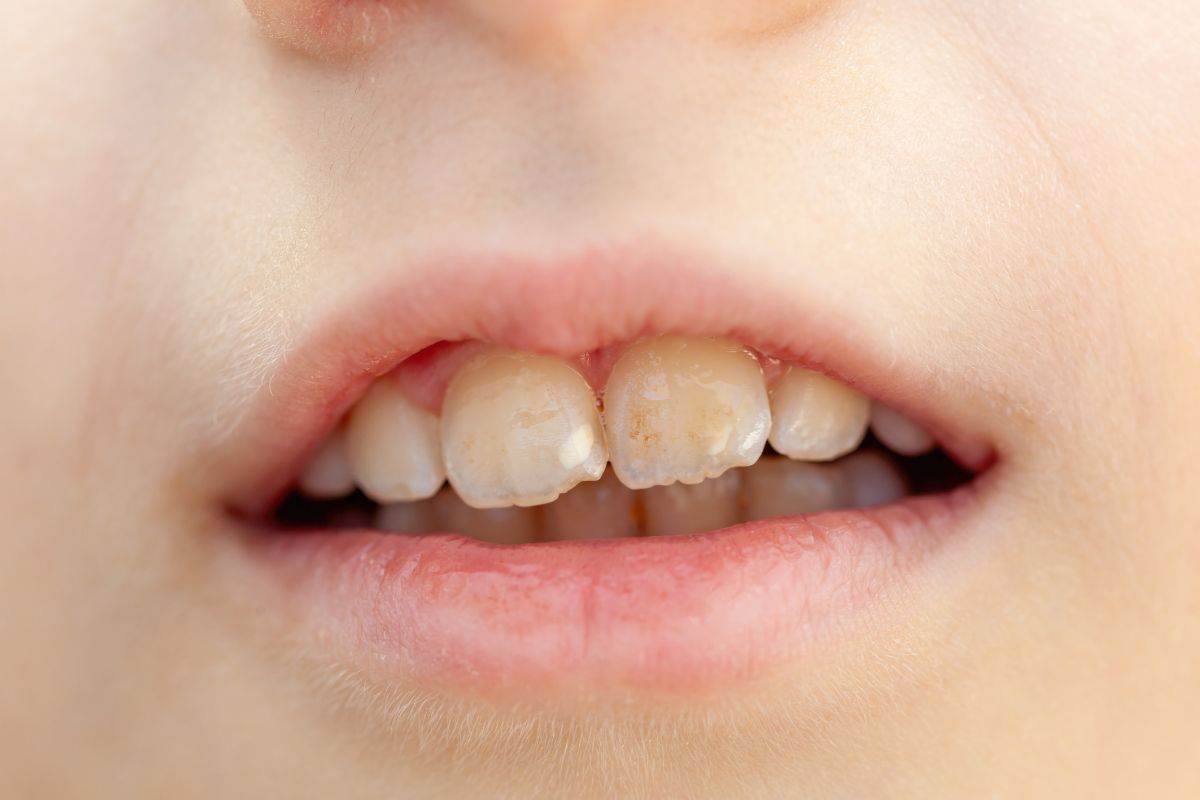
Have you ever looked in the mirror and noticed faint white patches on your teeth that weren’t there before? Or maybe they’ve been there for years, and you’re just now wondering what they mean. White spots on teeth are more common than most people realize—and the good news is that they’re often treatable.
These spots can develop for several reasons, from enamel changes to early signs of decay. In many cases, the right cosmetic dentistry treatment can help blend or reduce their appearance. Let’s take a closer look at what causes white spots and what you can do about them.
What Are White Spots on Teeth?
White spots are areas of enamel that appear lighter or chalkier than the surrounding tooth surface. They may look dull, opaque, or slightly rough compared to the rest of your teeth.
Although they’re usually not painful, they can affect how your smile looks. Some white spots are purely cosmetic, while others may signal early enamel weakening.
Common Causes of White Spots on Teeth
Understanding the cause is the first step toward choosing the right solution.
1. Enamel Demineralization
One of the most common reasons for white spots is enamel demineralization. This happens when minerals like calcium are lost from the tooth surface.
It’s often linked to:
- Inconsistent brushing and flossing
- Plaque buildup around braces
- Early stages of tooth decay
When plaque sits on the teeth for too long, it weakens the enamel and leaves behind chalky white areas.
2. Fluorosis
Fluorosis occurs when someone is exposed to too much fluoride during early childhood, while teeth are still developing. It usually appears as faint white streaks or spots.
Mild fluorosis is mostly a cosmetic concern and doesn’t affect tooth function.
3. Diet and Acid Exposure
Frequent consumption of sugary or acidic drinks—like soda, sports drinks, or citrus juices—can weaken enamel over time. When enamel loses minerals, white patches may form before cavities even develop.
4. Enamel Hypoplasia
This condition occurs when enamel doesn’t fully develop. It can be related to illness, nutritional issues, or certain medications during childhood. Teeth may appear spotted, uneven in color, or thinner than normal.
Can White Spots Go Away on Their Own?
In very mild cases, improving oral hygiene and using remineralizing toothpaste may help strengthen enamel and reduce the contrast of white spots.
However, once a noticeable spot has formed, it typically doesn’t disappear completely without professional care. That’s why it’s helpful to have a dentist evaluate the cause before deciding on treatment.
Treatment Options for Removing White Spots
The right treatment depends on how deep the spot is and what caused it.
Professional Teeth Whitening
Whitening doesn’t remove white spots, but it can help blend them by brightening the surrounding enamel. This can make the spots less noticeable and create a more even overall shade.
Enamel Microabrasion
This is a gentle polishing procedure that removes a thin outer layer of enamel. It works best for surface-level spots and mild fluorosis.
Dental Bonding
For deeper or more noticeable spots, tooth-colored resin can be applied to cover and blend the area. Bonding is a simple way to improve the appearance of uneven enamel.
Veneers
When white spots are widespread or combined with other cosmetic concerns, veneers may be considered. These thin coverings are placed over the front of the teeth to create a smooth, uniform look.
How to Prevent White Spots in the Future?
Prevention starts with simple daily habits:
- Brush twice a day with fluoride toothpaste
- Floss daily to remove plaque between teeth
- Limit sugary and acidic drinks
- Rinse with water after consuming acidic foods
- Visit your dentist regularly for cleanings and exams
Consistent care helps protect enamel and reduces the risk of future discoloration.
When Should You See a Dentist?
It’s a good idea to schedule an evaluation if:
- The white spots are increasing
- You notice tooth sensitivity
- The appearance of your teeth affects your confidence
- You recently had braces removed, and see chalky areas
Early attention can prevent further enamel damage and give you more treatment options.
Restore Your Smile’s Natural Beauty With Us
White spots on teeth may seem minor, but they can change how you feel about your smile. The good news is that modern dentistry offers several safe and effective ways to improve one’s appearance. Whether the cause is enamel changes, fluorosis, or early demineralization, treatment can be tailored to your specific needs.
If you’re searching for a trusted cosmetic dentist in Bel Air, MD who can evaluate white spots and recommend the right cosmetic solution based on your unique smile, Aesthetic Family Dentistry is here to help.
Contact us to learn more about your options and take the next step toward a smoother, more even-looking smile.


