
Do Dental Crowns Last 10 or 20 Years? What our Dentists Explain
Do Dental Crowns Last 10 or 20 Years? What our Dentists Explain
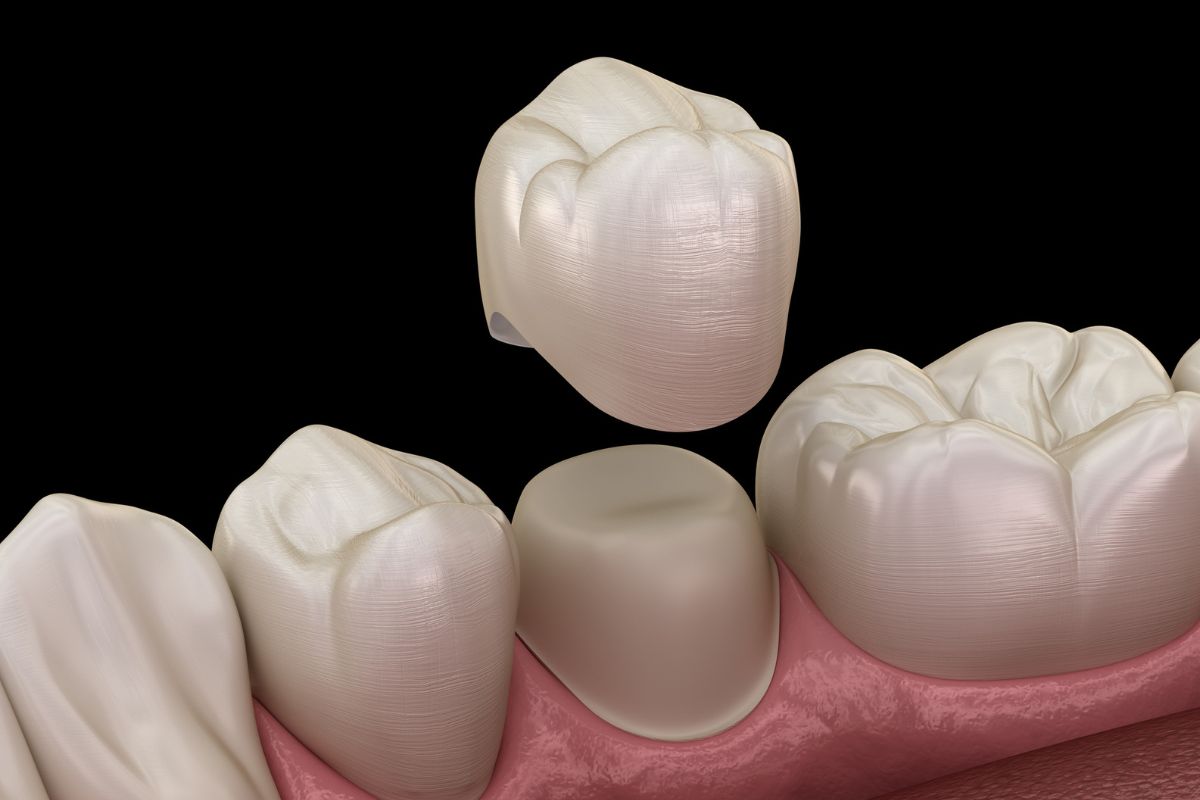
Dental crowns are often the go-to solution for restoring damaged or weakened teeth. But how long can you really expect them to last? Most patients wonder whether they can stand the test of time for 10 years, or even 20. While many factors influence their longevity, including the material used, the patient’s oral care habits, and the location. If you understand these factors, you can better maintain your restoration.
People are no strangers to a busy lifestyle. Between enjoying daily routines and staying active, many often forget to maintain good oral health. This can directly affect the longevity of their dental restorations. Dental care plays an important role in helping your tooth caps last as long as possible, whether it’s 10 or 20 years. Let’s take a closer look at what makes a dental crown durable and how you can prolong its lifespan.
What Affects the Lifespan of a Tooth Cap?
Dental caps are made from different materials, such as porcelain, metal, or a combination of both, which impact their longevity. But beyond the material, several other factors play a significant role in how long your restoration will last.
1. Material of the Crown
The material used for your capped teeth is one of the most important factors that determines how long it will last.
- Porcelain tooth caps are very popular due to their natural look, especially for visible teeth. These capped teeth tend to last around 10-15 years.
- Metal tooth caps, which are more durable, can last even longer, up to 20 years or more.
- Porcelain-fused-to-metal ones combine the aesthetics of porcelain with the durability of metal, offering a balance between appearance and strength.
2. Oral Hygiene
Good oral hygiene is crucial in ensuring that your tooth caps last as long as possible. Brushing twice a day, flossing regularly, and visiting your oral practitioner for cleanings will help prevent decay around the capped teeth.
3. Bite and Chewing Habits
If you have a strong bite or tend to grind your teeth, your capped teeth may wear down faster. It’s important to avoid chewing hard foods and ice, and wearing a night guard if you grind your teeth can protect your restorations from damage.
Common Mistakes That Shorten the Life of a Dental Crown
Some common habits and factors can cause your capped teeth to wear out prematurely. Here are some things to avoid to prolong the life of your dental restoration:
Chewing Hard Objects
Items like pens, ice, or hard candies can exert excessive pressure on your tooth cap, increasing the risk of chipping or cracking. Such damage can cause discomfort, sensitivity, or further complications, and may ultimately necessitate repairs or replacement of the crown.
Grinding Teeth
This habit can exert significant stress on the capped teeth of the tooth, which may lead to it becoming weaker over time or even ultimately breaking. The continual pressure can compromise the structural integrity of the tooth cap, increasing the risk of damage and the need for dental intervention.
Neglecting Oral Care
Failing to brush and floss regularly can lead to the development of gum disease and decay around the capped teeth, which can weaken the supporting tissues and compromise the integrity of the dental restoration. Over time, this neglect may shorten their lifespan, potentially resulting in the need for replacement or more extensive dental treatment.
Can You Expect 10 or 20 Years from Your Dental Cap?
Here is why you will experience:
1. 10-Year Lifespan: When to Expect
If you’re considering capped teeth that could last around 10 years, keep in mind that the material used and how well you care for your teeth will make a big difference. Porcelain caps might need to be replaced sooner, especially if they’re on a back tooth that experiences more pressure.
2. 20-Year Lifespan: Achieving Long-Term Durability
They are crafted from sturdy materials such as metal or porcelain-fused-to-metal, and they can often last up to 20 years with good care. Maintaining excellent oral hygiene and visiting your dental professional regularly can help ensure it stays in great shape for years to come.
Tips to Keep Your Crown in Good Shape
To maximize the longevity of your capped teeth, follow these simple tips:
- Avoid chewing on hard objects like ice, pens, or hard candies.
- Visit your oral practitioner regularly for cleanings and checkups.
- Practice good oral hygiene, including brushing and flossing.
How Patients Can Care for Their Dental Crowns?
Taking care of your dental crown doesn’t require anything complicated, but consistency is key. Brush your teeth twice a day using a soft-bristled toothbrush and fluoride toothpaste, and floss daily to remove plaque from around the crown and along the gumline. Be mindful of habits like chewing on ice, biting hard objects, or grinding your teeth, as these can damage or loosen the crown over time. It’s also a good idea to limit sticky and sugary foods that can increase the risk of decay around the crown. Most importantly, visit your dentist regularly for checkups and cleanings so any issues can be detected early and your crown can stay strong and secure for years to come.
Fix Your Cracked, Chipped Teeth with Us
Whether your tooth cap lasts 10 or 20 years depends on factors such as material choice, oral hygiene, and lifestyle habits. At Aesthetic Family Dentistry of Bel Air, our team is here to help you maintain your dental crown for as long as possible. By following proper care instructions and visiting us for regular checkups, you can extend the life of your restoration. Take the next step to enjoy a confident smile for years to come.


