
Why Some Dental Implant Treatments Require Bone Grafting
Why Some Dental Implant Treatments Require Bone Grafting
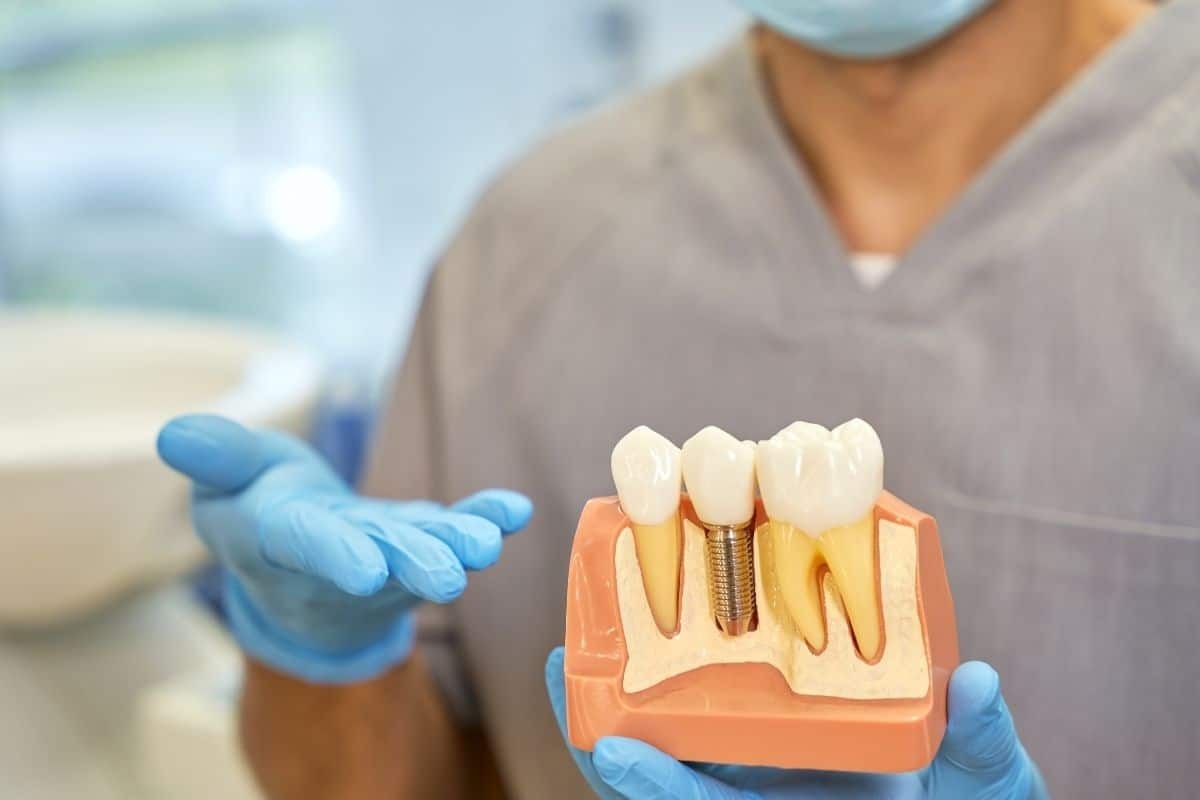
Have you been told that you may need a bone graft before getting a dental implant? If so, you may be wondering why an additional procedure is necessary when your goal is simply to replace a missing tooth. The answer usually comes down to one important factor: having enough healthy jawbone to support the implant.
A dental implant procedure involves placing an implant into the jawbone so it can act as a stable foundation for a replacement tooth. When there is not enough bone in the area, the implant may not have the support it needs. In these situations, bone grafting can help rebuild the area and prepare it for implant placement.
But why does bone loss happen, and does everyone who needs an implant also need a bone graft? Let’s take a closer look.
What Is Bone Grafting for Dental Implants?
Bone grafting is a procedure used to add bone or bone-like material to an area where the jawbone has become too thin, short, or weak. If you want to understand more about how this treatment works, you can learn more about bone grafting for dental implants.
Think of the jawbone as the foundation that holds a dental implant in place. If that foundation has lost too much volume, there may not be enough support for the implant. A bone graft helps add volume to the area so the bone can heal and provide a more suitable foundation.
The graft material does not simply remain in place as a permanent block. During healing, the body gradually works with the graft material to form new bone in the area.
Why Does Jawbone Loss Happen After Losing a Tooth?
One of the most common reasons for bone loss is tooth loss. The roots of your natural teeth stimulate the surrounding jawbone when you chew. Once a tooth is gone, that stimulation decreases, and the bone in that area can gradually shrink.
Other factors can contribute to jawbone loss, including:
- Advanced gum disease
- A dental infection
- An injury that damages the jaw
- Long-term tooth loss
- Certain dental conditions that affect the supporting bone
This is one reason replacing a missing tooth may involve more than simply filling the visible gap. Your dentist also needs to consider the condition of the bone underneath it.
When Might You Need Bone Grafting Before a Dental Implant?
Not everyone who receives a dental implant needs bone grafting. The need depends on how much healthy bone is available in the area where the implant will be placed.
A bone graft may be recommended when:
- The jawbone has become too narrow
- There is not enough bone height to support the implant
- A tooth has been missing for a long time
- Bone was lost because of gum disease or infection
- An injury caused damage to the jawbone
- The area needs additional support before implant placement
Your dentist may use dental X-rays or 3D imaging to examine the jawbone and determine whether there is enough bone for an implant. These images can help show the amount and shape of available bone before treatment begins.
How Does Bone Grafting Help With Implant Placement?
A dental implant needs a stable foundation. When the jawbone is too thin or has lost significant volume, placing an implant immediately may not provide the support needed for proper healing.
Bone grafting can help increase the amount of bone available in the treatment area. Once the graft has healed, the dentist can reassess the site and determine whether it is ready for implant placement.
This means bone grafting may add an extra step to the treatment process, but it can be an important part of preparing the mouth for an implant when bone loss is present.
What Happens During a Bone Grafting Procedure?
The exact process depends on how much bone is missing and where the graft is needed. In general, the treatment involves several steps.
1. The Area Is Examined
Your dentist first evaluates the tooth, gums, and jawbone. Imaging may be used to understand the amount of bone available.
2. The Area Is Prepared
The treatment area is cleaned and numbed before the procedure begins.
3. Graft Material Is Placed
The dentist places the selected graft material into the area where additional bone is needed.
4. The Area Is Protected
The graft may be covered with a protective material before the gum tissue is positioned back over the area.
5. The Area Is Allowed to Heal
The jawbone needs time to heal and develop enough strength before the implant can be placed in some cases.
The type of graft material used can vary. Depending on the situation, dentists may use material from a donor source, synthetic materials, or other grafting materials designed for dental use.
How Long Does Bone Grafting Take to Heal?
Healing time varies from person to person. It can also depend on the size and location of the graft.
Some areas may need several months to heal before an implant can be placed. Smaller grafts may require less healing time, while larger grafts can take longer.
Your dentist will monitor the area and determine when the bone has healed sufficiently for the next stage of treatment. It is important not to rush this part of the process because the goal is to create a suitable foundation for the implant.
Can You Get a Dental Implant Without Bone Grafting?
Yes. Many people have enough healthy jawbone to support an implant without needing a graft.
A bone graft is not automatically required simply because you are getting an implant. Your dentist will evaluate your individual situation, including the amount of available bone and the location of the missing tooth.
If enough bone is present, the implant may be placed without a separate grafting procedure. In some situations, however, bone grafting may be performed at the same time as another procedure, depending on the condition of the area.
What Should You Expect After Bone Grafting?
It is normal to experience some tenderness, swelling, or bruising after a bone graft. These effects are generally temporary and should gradually improve as the area heals.
Your dentist will give you specific instructions for caring for the area. These may include eating softer foods for a period of time, avoiding pressure on the treatment area, keeping the mouth clean as directed, and taking medications as prescribed.
You should also contact your dental provider if you experience severe pain, increasing swelling, fever, unusual drainage, or other symptoms that concern you.
Following your aftercare instructions can help support proper healing.
Is Bone Grafting Always Necessary for a Missing Tooth?
No. A missing tooth does not automatically mean that you will need a bone graft.
The important question is whether there is enough healthy bone in the right location to support the planned implant. Someone who lost a tooth recently may have a different situation from someone who has had a missing tooth for many years.
This is why an examination and appropriate imaging are important before treatment. Your dentist can evaluate your jawbone and explain whether grafting is necessary in your particular case.
Understanding Your Treatment Plan Before Dental Implant Placement
Being told that you need a bone graft can make your dental implant treatment seem more complicated than expected. However, the additional step may simply mean that your jawbone needs more support before the implant can be placed.
Understanding why the graft is recommended can make the process easier to follow. Ask your dentist how much bone is available, why grafting is needed, how long healing may take, and what the next stage of treatment will involve.
Every patient’s situation is different, so your treatment plan should be based on the condition of your teeth, gums, and jawbone.
Building a Strong Foundation for Dental Implants
A bone graft may be necessary when there is not enough healthy jawbone to properly support a dental implant. While it can add time to the overall treatment process, it can help prepare the area for implant placement when bone loss has occurred. At Aesthetic Family Dentistry of Bel Air, patients can discuss their tooth replacement needs and learn whether bone grafting may be appropriate for their situation. Contact us to learn more about your options for replacing a missing tooth and preparing for a dental implant.


