
Can You Get a Cavity Under a Dental Crown?
Can You Get a Cavity Under a Dental Crown?
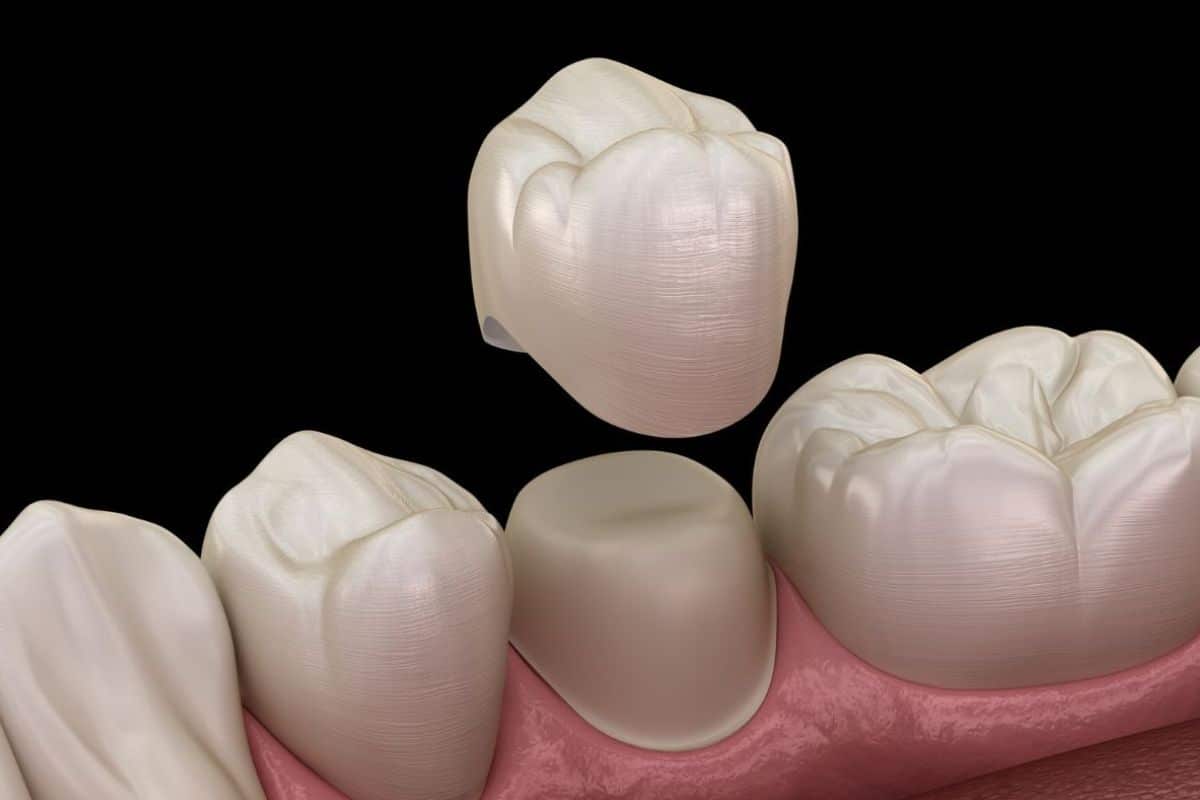
Getting a dental crown can protect a weakened or damaged tooth, but a crown does not make the tooth underneath it completely immune to decay. If you have ever wondered whether a cavity can form under a crown, the short answer is yes.
The crown itself cannot develop a cavity because it is made from a dental material rather than natural enamel. However, the natural tooth underneath and around the edges of the crown can still be affected by bacteria and decay.
Knowing how this happens and what signs to watch for can help you protect a crowned tooth for years to come.
What Is a Dental Crown?
A dental crown is a custom restoration that covers a damaged or weakened tooth. It can restore the tooth’s shape, strength, function, and appearance.
Crowns may be recommended for teeth that have:
- Significant decay.
- Large fillings.
- Cracks or fractures.
- Severe wear.
- Damage after root canal treatment.
- Structural weakness that needs additional support.
The crown acts like a protective covering, but the underlying tooth remains part of your mouth and still needs proper care.
How Can Decay Develop Under a Crown?
A crown is designed to fit closely around a prepared tooth. The margin, where the crown meets the natural tooth, is particularly important.
If bacteria and plaque accumulate around this area, acids produced by bacteria can attack the exposed natural tooth structure.
Over time, this may result in recurrent decay.
The cavity is not actually forming inside the crown material. Instead, the natural tooth underneath or around the crown is becoming decayed.
Can a Crown Prevent Cavities?
A properly placed crown can protect a tooth from many forms of damage, but it does not replace daily oral hygiene.
Think of a crown as protection for the structure of the tooth, not as a permanent shield against bacteria.
You still need to:
- Brush twice a day.
- Clean along the gumline.
- Floss around the crown.
- Maintain regular dental visits.
- Limit frequent exposure to sugary foods and drinks.
These habits help keep the natural tooth and surrounding gums healthy.
What Causes Recurrent Decay Around a Crown?
Several factors can contribute to decay developing around an existing crown.
Plaque Buildup
If plaque remains along the crown margin, bacteria can accumulate against the natural tooth.
Difficulty Cleaning the Area
Some crown margins can be difficult to reach, particularly if the tooth is located toward the back of the mouth.
Frequent Sugar Exposure
Repeated consumption of sugary foods and drinks gives cavity-causing bacteria more opportunities to produce acids.
Gum Changes
If gums recede over time, part of the natural tooth root may become exposed. Root surfaces do not have the same enamel protection as the crown of the tooth and can be more susceptible to decay.
An Aging or Damaged Crown
Crowns do not last forever. Over time, they can become worn, damaged, loose, or less closely adapted to the tooth.
A dentist may recommend replacing a crown if it is no longer providing the necessary protection.
What Does a Cavity Under a Crown Feel Like?
A cavity underneath a crown is not always obvious.
Some people experience no symptoms during the early stages.
Others may notice:
- Sensitivity to hot or cold.
- Pain when biting.
- Toothache.
- Food getting trapped around the crown.
- A rough or damaged area near the crown.
- A loose crown.
- Swelling or tenderness around the tooth.
However, these symptoms can have several possible causes. Sensitivity does not automatically mean you have decay underneath the crown.
An examination is necessary to determine what is actually happening.
Can a Dentist See Decay Under a Crown?
Your dentist may use several methods to evaluate a crowned tooth.
A visual examination can reveal changes around the crown margin, gumline, or surrounding tissues. Dental X-rays may also help identify decay or changes that cannot be seen directly.
If the crown is loose or damaged, your dentist may also need to evaluate the restoration itself.
The exact approach depends on the tooth, the type of crown, and the symptoms involved.
Does a Cavity Mean the Crown Must Be Removed?
Not necessarily.
Treatment depends on where the decay is located, how extensive it is, and whether the crown can still function properly.
If decay is limited and accessible, a dentist may be able to treat it without completely replacing the crown in some situations.
However, if decay is extensive or the crown is damaged, poorly fitting, or no longer suitable, replacement may be necessary.
Your dentist can evaluate the tooth and explain which options make sense for your situation.
How Can You Protect a Crowned Tooth?
Caring for a crowned tooth is not complicated, but consistency matters.
Brush your teeth twice daily with fluoride toothpaste and clean carefully around the gumline. Floss daily, paying particular attention to the area where the crown meets the natural tooth.
It is also helpful to limit frequent sugary snacks and drinks. If you regularly experience dry mouth, discuss it with your dentist because reduced saliva can increase the risk of tooth decay.
Most importantly, do not skip regular dental examinations simply because a tooth has a crown.
Supporting Your Restored Teeth
At Aesthetic Family Dentistry of Bel Air, dental crowns are used as part of restorative care to help protect and restore damaged or weakened teeth. A crown may be recommended when a tooth needs additional strength or when significant damage has affected its structure.
Regular examinations can help your dental team monitor crowned teeth and identify problems around the restoration before they become more advanced. If you have concerns about an existing crown or think a damaged tooth may need additional support, contact us to schedule an evaluation
Conclusion: A Crown Protects Your Tooth, But It Still Needs Care
A dental crown can provide important protection, but it does not make the natural tooth underneath it immune to cavities. Decay can develop around the crown margin or on exposed natural tooth structure if plaque and bacteria remain there.
Good brushing, daily flossing, a balanced approach to sugar consumption, and regular dental checkups can help reduce the risk.
If you are concerned about decay around an existing crown, visit our dental office for an evaluation.


