
Can You Get Cavities on Your Front Teeth?
Can You Get Cavities on Your Front Teeth?
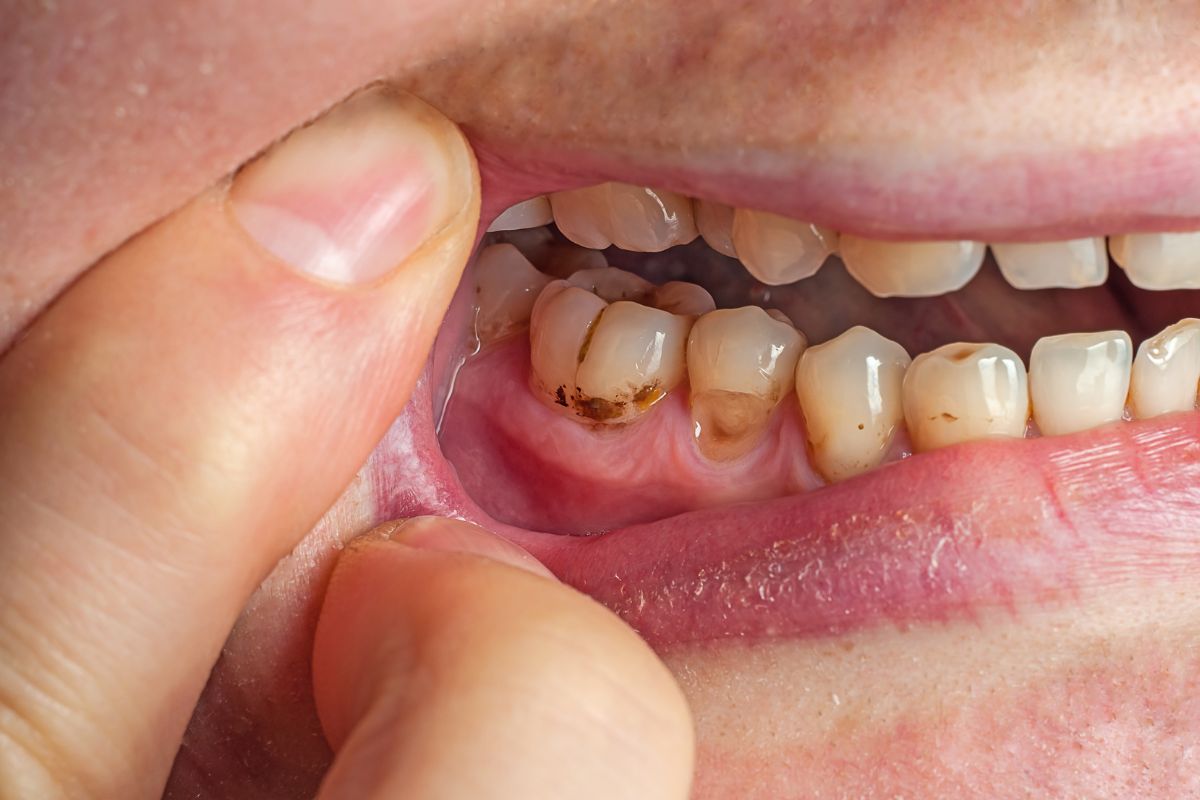
When most people think of cavities, they usually imagine them hiding in the back teeth, where food easily gets trapped, and brushing can be tricky. But did you know that front teeth are just as vulnerable to tooth decay? While less common, cavities on your front teeth can and do occur—and they deserve just as much attention.
Why Do Front Teeth Get Cavities?
Front teeth, or incisors, have a smoother surface than molars and premolars. This makes it more difficult for plaque and bacteria to cling to them, which is why cavities are more common on the chewing surfaces of back teeth. However, that doesn’t mean front teeth are immune.
Cavities can form on the front teeth for several reasons:
- Poor brushing or flossing habits, especially near the gumline.
- Consuming sugary or acidic foods and drinks frequently.
- Dry mouth reduces the saliva that usually helps protect teeth.
- Worn enamel from aggressive brushing or acid erosion.
- Orthodontic appliances like braces can trap food and plaque around brackets.
Children and adults alike are at risk, especially if they have a sweet tooth or aren’t consistent with oral hygiene.
Signs You Might Have a Cavity on a Front Tooth
Cavities on the front teeth are often easier to spot because they’re right in your smile zone. Some of the signs to watch out for include:
- White spots indicate early enamel damage.
- Brown or black discoloration on the tooth surface.
- Increased sensitivity to hot, cold, or sweet foods.
- Rough or pitted surfaces you can feel with your tongue.
- In more advanced cases, you may notice a visible hole or crack.
Early detection is key because front teeth are essential for both function and appearance. Even a tiny cavity can affect your confidence and bite if left untreated.
Treatment Options
If your dentist identifies a cavity on a front tooth, the treatment usually involves a small tooth-colored filling made of composite resin. This material blends with your natural tooth color and preserves the aesthetics of your smile. A dental veneer or crown might be recommended to restore appearance and function for more extensive damage.
In some cases, fluoride treatments or dental sealants may be used to stop or prevent decay in its early stages, particularly in children or patients with early enamel damage.
A general dentist will assess the extent of decay and recommend a personalized treatment plan to restore the health of your front teeth.
How to Prevent Cavities on Front Teeth?
Prevention is always better than a cure. To lower your risk of cavities on any tooth—including the front ones—follow these essential tips:
- Brush twice a day with fluoride toothpaste.
- Floss daily to remove plaque between teeth and near the gums.
- Cut back on sugary snacks and drinks.
- Drink plenty of water to help rinse away food and bacteria.
- Visit your dentist regularly for cleanings and check-ups.
Conclusion
While cavities on front teeth may not be as common as those on back teeth, they are certainly possible—and just as important to treat. Paying attention to your daily oral hygiene, limiting sugary foods, and staying consistent with dental visits can protect every part of your smile. If you notice any discoloration, sensitivity, or changes in your front teeth, don’t ignore it. Early treatment can prevent more serious issues and keep your smile looking its best.
At Aesthetic Family Dentistry of Bel Air, our team is dedicated to helping you maintain strong, healthy front teeth for years to come. Contact us today to schedule your appointment and protect your beautiful smile.


