
Root Canal Recovery: Tips for a Smooth and Quick Healing Process
Root Canal Recovery: Tips for a Smooth and Quick Healing Process
Undergoing a root canal is often essential to save a tooth that is severely infected or damaged. While the procedure itself is designed to alleviate pain and restore dental health, the recovery process is equally crucial. A smooth and quick healing process requires proper care and attention. In this blog, we will provide valuable tips to help ensure a successful recovery after a root canal treatment, so you can return to optimal oral health as soon as possible.
Understanding Root Canal Treatment
Before diving into recovery tips, it’s helpful to understand what a root canal involves. A root canal is a dental procedure performed to remove infected or damaged pulp (soft tissue) inside the tooth. After cleaning and disinfecting the root canals, the dentist fills and seals the space to prevent future infections. This treatment is necessary when the pulp becomes infected due to decay, trauma, or deep cavities.
Though the procedure may sound intimidating, it is typically no more uncomfortable than a routine filling. However, post-treatment care is essential for a smooth recovery.
Tips for a Smooth Root Canal Recovery
Follow Your Dentist’s Instructions
The most important step in ensuring a quick recovery is to closely follow the post-treatment instructions provided by your dentist. These instructions may include guidelines on medication, diet, and oral hygiene practices specific to your situation.
Manage Pain and Discomfort
It’s common to experience mild discomfort, swelling, or tenderness in the days following a root canal. Over-the-counter pain relievers such as ibuprofen or acetaminophen can help manage these symptoms. Your dentist may also prescribe stronger pain medication if needed. Applying a cold compress to the affected area can also reduce swelling and alleviate discomfort.
Practice Gentle Oral Hygiene
Maintaining oral hygiene is critical after a root canal, but it’s important to be gentle around the treated area. Brush your teeth softly with a soft-bristled toothbrush and avoid flossing around the treated tooth until the dentist gives you the go-ahead. This helps prevent irritation and promotes healing.
Avoid Hard or Chewy Foods
In the days following your root canal, avoid hard, chewy, or sticky foods that may put pressure on the treated tooth. Soft foods such as yogurt, applesauce, mashed potatoes, and smoothies are ideal during the recovery period. Avoid biting directly with the treated tooth until your dentist advises that it is safe to do so.
Rest and Take it Easy
Rest is essential for the body’s healing process, including after dental treatments. Avoid strenuous activities for a few days to allow your body to focus on recovery. This can help minimize any swelling or discomfort and promote faster healing.
Complete the Treatment with a Crown
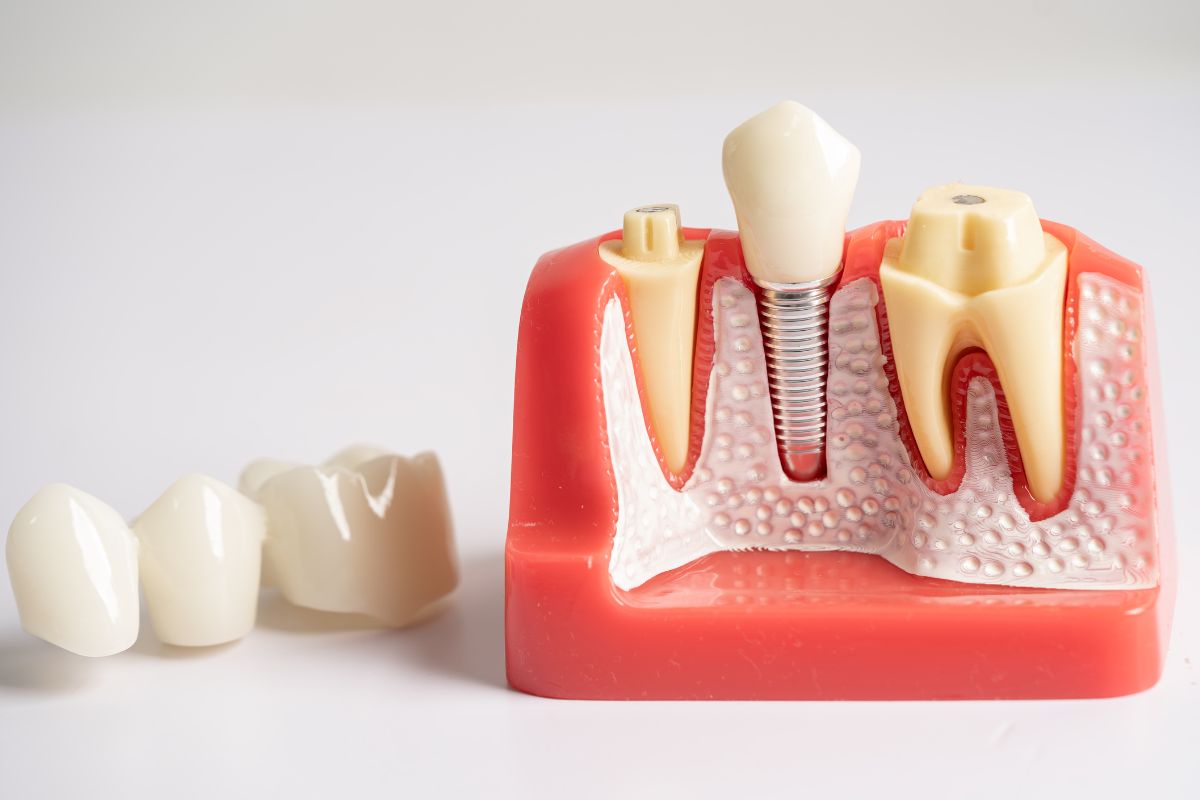
In most cases, a dental crown is recommended after a root canal to protect the treated tooth. This is especially important if the tooth is in a high-stress area such as a molar. The crown helps restore the tooth’s strength, function, and appearance, preventing further damage. Be sure to schedule this follow-up procedure as directed by your dentist.
Stay Hydrated and Nourished
Drinking plenty of water and maintaining a nutritious diet can support the healing process. Staying hydrated helps keep the mouth clean and promotes recovery, while a balanced diet provides the necessary nutrients to speed up healing.
When to Contact Your Dentist
While mild discomfort is normal after a root canal, certain symptoms may indicate a need for further attention. If you experience severe pain, prolonged swelling, or signs of infection (such as fever or pus), contact your dentist immediately. These symptoms may require additional treatment to ensure proper healing.
Conclusion
Root canal treatment is an effective way to save a damaged or infected tooth and restore your oral health. By following your dentist’s instructions, managing discomfort, and practicing proper post-treatment care, you can ensure a smooth and quick recovery. Remember that proper aftercare is key to long-term dental health, so don’t hesitate to consult your dentist if you have any concerns during the healing process.


