
Why Does a Dentist Recommend Treating a Tooth That Doesn’t Hurt?
Why Does a Dentist Recommend Treating a Tooth That Doesn’t Hurt?
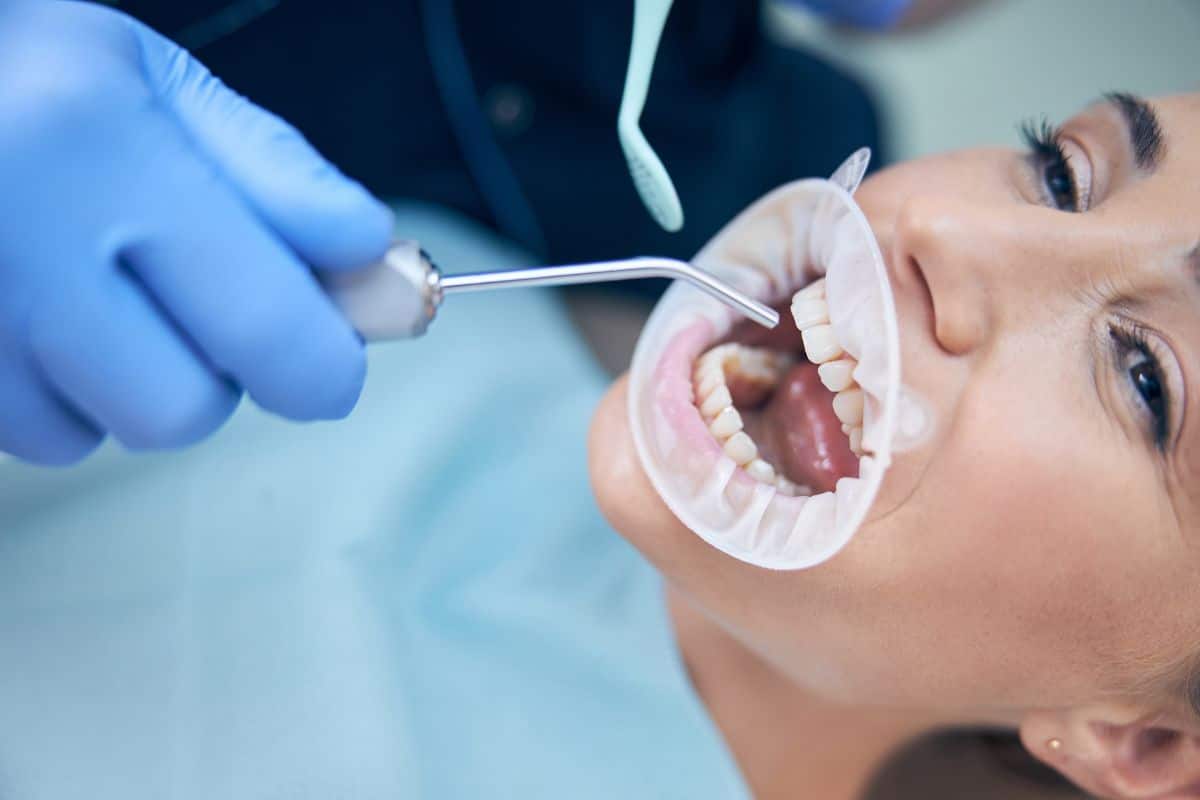
Have you ever visited your dentist expecting to hear that everything looks fine, only to learn that one of your teeth needs treatment? It can be confusing, especially when the tooth feels completely normal. If there is no pain, sensitivity, or swelling, you may wonder why anything needs to be done at all. At Aesthetic Family Dentistry of Bel Air, we understand why this recommendation can raise questions.
The truth is that pain is not always the first sign of a dental problem. Some issues can develop quietly and may only be noticed during an examination or on a dental X-ray. A trusted dental care provider may recommend treatment based on what they can see or detect, even when you do not feel anything unusual. Understanding why this happens can make it easier to see why addressing certain problems early may be important.
Can a Tooth Have a Problem Without Causing Pain?
Yes. A tooth can have decay, damage, or another concern without causing noticeable discomfort.
Some dental problems develop gradually. In the early stages, there may be little or no irritation of the sensitive inner parts of the tooth. You may continue eating, drinking, and brushing normally without realizing anything is wrong.
This is one reason regular dental exams matter. A dentist can spot changes you may not be able to see or feel. A tooth can sometimes show signs of a problem before it produces noticeable symptoms.
Why Would a Dentist Recommend Treating a Tooth That Doesn’t Hurt?
Your dentist may recommend treatment even when the tooth feels fine for several reasons.
Decay May Have Progressed Without Symptoms
Tooth decay does not necessarily cause immediate pain. It can begin on the outer surface of a tooth and gradually progress deeper.
Depending on how far the decay has developed, your dentist may recommend monitoring it, taking preventive steps, or restoring the tooth. The appropriate approach depends on the condition of the tooth and the extent of the decay.
Some early areas of decay may be managed with preventive care, while more advanced damage may require a filling or another type of restorative treatment.
A Crack May Be Difficult to Notice
A cracked tooth does not always hurt constantly. In some cases, discomfort may only occur when biting or when eating certain foods. In other cases, there may be little noticeable discomfort at first.
A dentist may notice a crack during an examination or identify other signs that suggest the tooth has been damaged. Because cracks can vary greatly, the recommended treatment depends on where the crack is located and how much of the tooth is affected.
An Old Filling May Have a Problem
Dental fillings are designed to restore damaged areas of a tooth, but they do not last forever. Over time, a filling can become worn, damaged, or develop an area where the tooth is no longer properly protected.
You may not notice a problem right away. Your dentist may identify a concern during an examination before it causes pain. Depending on what is found, the dentist may recommend repairing or replacing the restoration.
There Could Be a Problem Beneath the Surface
Some dental problems are difficult to identify by simply looking at the tooth. This is where dental X-rays can sometimes provide useful information.
An X-ray may help a dentist identify decay between teeth or other changes that cannot be seen during a routine visual examination. This can give your dentist a better understanding of what is happening inside or around the tooth.
What Happens If You Wait Until the Tooth Hurts?
It is understandable to think, “If it doesn’t hurt, why not wait?”
The problem is that waiting for pain does not always tell you how a dental condition is progressing. A tooth can change before symptoms become obvious. By the time pain develops, the problem may have progressed further.
That does not mean every painless dental problem will inevitably become painful or require extensive treatment. Dental conditions vary from person to person. However, your dentist may recommend addressing a problem sooner because the tooth has already shown signs that it needs attention.
This is also why it is better to ask questions rather than simply waiting for symptoms to appear.
Does Every Pain-Free Tooth Need Treatment?
No. A painless tooth does not automatically mean that treatment is necessary.
Dentists consider several factors before recommending treatment. These may include what they see during the examination, what appears on an X-ray when one is appropriate, the extent of any decay or damage, the condition of existing dental work, and the likelihood that the problem could progress.
For some early areas of tooth decay, preventive or noninvasive approaches may be appropriate instead of immediately placing a filling. The right approach depends on the individual tooth and the findings during the dental examination.
If you are unsure why treatment has been recommended, it is completely reasonable to ask your dentist to explain what they found.
You can ask:
- What exactly is wrong with the tooth?
- How far has the problem progressed?
- What happens if I wait?
- What treatment are you recommending?
- Are there other ways to manage the problem?
- How urgent is the treatment?
Having these questions answered can help you understand your options and make a more informed decision about your dental care.
When Should You Contact Your Dentist?
You should not wait for severe pain before talking to your dentist about a dental concern.
Contact your dental office if you notice:
- New or increasing sensitivity
- Pain when biting or chewing
- A chipped or cracked tooth
- Swelling around a tooth or gum
- A damaged or loose filling
- Changes around an old crown or other restoration
- Persistent discomfort in one area of your mouth
It is also important to keep regular dental visits even when your teeth feel healthy. Dental examinations can help identify problems that may not yet be producing noticeable symptoms.
How Can You Help Prevent Small Problems From Becoming Bigger?
You cannot prevent every dental problem, but everyday habits can help protect your teeth and make problems easier to manage.
Brush your teeth twice a day with fluoride toothpaste and clean between your teeth daily. Try to limit frequent exposure to sugary foods and drinks, and pay attention to changes in your teeth or gums.
Regular dental examinations are also important. Your dentist can assess your teeth, discuss your oral hygiene habits, and determine whether anything needs closer attention.
Most importantly, do not ignore a dental recommendation simply because a tooth feels normal. Ask what was found and why a particular treatment was suggested.
Taking Care of Your Teeth Before Problems Get Worse
Our team evaluates dental concerns based on your examination and individual needs rather than relying only on whether a tooth hurts. If you have questions about a recommended treatment or a tooth that seems perfectly normal, contact us to discuss your concerns and learn more about your dental care options.
Keep Your Healthy Tooth Healthy With the Right Dental Care
A tooth does not always have to hurt before it needs attention. Decay, cracks, worn dental work, and other problems can sometimes develop without obvious symptoms, which is why regular dental examinations are an important part of maintaining your oral health. Understanding what your dentist has found can also help you feel more confident about the treatment being recommended.
If you are looking for a dentist in Bel Air, MD, to evaluate a tooth that does not hurt but may need attention, we can help you understand what is happening and what your options may be. Visit our dental office for personalized dental care focused on keeping your teeth healthy and addressing problems before they become more difficult to manage.
Frequently Asked Questions
Can a tooth need treatment even if it doesn’t hurt?
Yes. Some dental problems, including certain cavities, cracks, and issues around existing restorations, may not cause noticeable symptoms in their early stages. A dentist may recommend treatment based on examination findings or appropriate imaging.
Why does my dentist want to treat a cavity that isn’t painful?
The recommendation may depend on the size, depth, and location of the cavity. Some early areas of decay can be monitored or managed with preventive care, while more advanced decay may require a restoration.
Can a cracked tooth cause no pain?
Yes. Cracks can produce different symptoms depending on their location and severity. Some may cause occasional discomfort, while others may not be noticeable without a dental examination.
Should I get a second opinion if I don’t agree with my dentist’s recommendation?
If you are uncertain about a recommended treatment, asking questions and seeking a second opinion can help you better understand the diagnosis and available options, particularly when the situation is not an emergency. Open communication with your dental professional can help clarify why treatment has been suggested.
What happens if I wait to treat a tooth that doesn’t hurt?
That depends on the condition of the tooth. Some problems can remain stable for a period of time, while others may progress. Your dentist can explain the likely risks of waiting based on what was found during your examination.


