
How Can I Fix a Lisp After Getting Dental Implants?
How Can I Fix a Lisp After Getting Dental Implants?
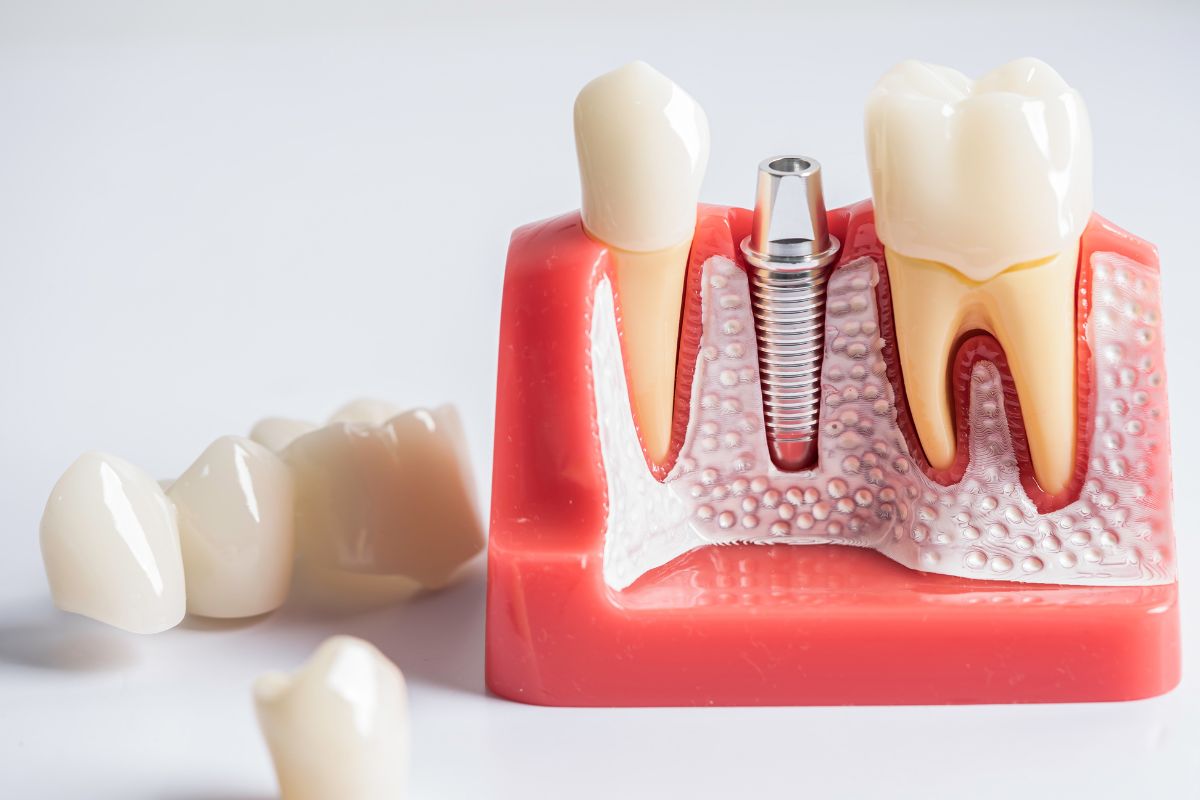
You finally went through with it, you got dental implants, and your smile looks great. But now you’re noticing something unexpected: your speech sounds a little off. Maybe certain words feel awkward, or you catch a slight lisp when you talk. Before you start worrying, know that you’re far from alone in this. At Aesthetic Family Dentistry, we hear this concern from patients all the time, and the reassuring truth is it’s almost always temporary.
The dental implant procedure changes the physical structure of your mouth, and your tongue simply needs time to adjust to its new surroundings. In this post, we’ll walk you through exactly why this happens, how long it typically lasts, and what you can do to get your speech back to normal as quickly as possible.
Why Does a Lisp Happen After Dental Implants?
When you speak, your tongue works in very precise ways, tapping against specific spots on your teeth and the roof of your mouth to shape sounds. Your dental implants, while carefully crafted to look and feel natural, may be slightly different in size, shape, or position compared to the teeth that were there before (or the gap that existed if you had a missing tooth).
Your tongue has been navigating the same mouth for years. Even small changes can throw off its familiar movement patterns. This confusion most often shows up as a lisp or a slightly slurred sound, especially with letters like “s,” “z,” “th,” and “f.”
Think of it like rearranging the furniture in a room you’ve walked through in the dark for years. Your muscle memory knows exactly where everything used to be until suddenly, it doesn’t.
How Long Does the Lisp Usually Last?
For most people, a post-implant lisp resolves within a few days to a few weeks. In some cases, particularly when multiple implants are placed or when the front teeth are involved, it can stretch to a couple of months.
A few factors influence the timeline:
- How many teeth were replaced, and where they’re located
- Whether the implants are in the front of the mouth, which is more speech-sensitive
- How quickly your tongue adapts to the new structure
- Whether you actively practice speaking or wait passively for it to resolve
If your lisp is showing no sign of improvement after two to three months, that’s the right time to visit your dentist. A persistent lisp that doesn’t improve at all could point to a fit issue with the crown that a simple adjustment might fix.
Practical Tips to Help Your Speech Adjust Faster
Waiting it out passively tends to take longer than actively working with your mouth. Here are some simple, proven things that genuinely help:
Read out loud every day: Pick a book, an article, or even a printed email and read it aloud for 10 to 15 minutes each day. This gives your tongue a chance to practice making sounds with the new tooth structure in a relaxed, low-pressure way.
Practice the sounds that give you trouble: If “s” and “z” are the culprits, spend a few minutes repeating words heavy in those sounds slowly at first, then at a normal pace. Tongue twisters like “Sally sells seashells” might feel a little ridiculous, but they actually work.
Speak slowly and deliberately: In the first couple of weeks, try not to rush through sentences. Speaking at a measured pace gives your tongue time to find the right positions before old habits take over.
Record yourself speaking: Use your phone to record yourself reading aloud or having a conversation. Listening back lets you zero in on which specific sounds still need work, rather than guessing.
Stay well hydrated: A dry mouth makes speech harder in general. Drinking enough water throughout the day keeps your mouth comfortable and your speech cleaner.
When Should You Go Back to Your Dentist?
Most of the time, a lisp after dental implants sorts itself out with practice and patience. But there are situations where it’s better to make an appointment sooner rather than later:
- Your lisp hasn’t improved at all after six to eight weeks
- You feel pain or pressure when talking or chewing
- The crown feels noticeably too high, sharp, or unlike what you expected
- You’re having difficulty eating, along with the speech issues
In these cases, the problem may be related to the crown’s fit or bite alignment. A quick adjustment from your dentist can sometimes solve a persistent lisp much faster than months of practice exercises ever could.
Have questions about your implants or your speech? Contact us today, we’re here to help.
Can a Dental Implant Cause a Permanent Lisp?
Rarely, and only if there’s a genuine issue with the fit. A properly placed implant with a well-sized crown should not cause a permanent lisp. The human tongue is remarkably adaptable; given time and consistent practice, it almost always relearns the correct movement patterns.
However, if the crown is too thick, too long, or positioned in a way that physically blocks your tongue’s natural movement, a lasting speech issue is possible. That’s why open communication with your dentist matters. If something feels off, even if it seems minor, say so. Fit adjustments are a routine part of post-procedure care.
Is Speech Therapy Worth Considering?
For most patients, daily practice at home is more than enough. But if you’re someone whose career depends on clear, confident speech, a teacher, a sales professional, a public speaker, or if the lisp is genuinely affecting your confidence, speech therapy is a completely reasonable choice.
A speech-language pathologist can pinpoint exactly which sounds are being affected and give you focused exercises designed to retrain your tongue efficiently. Sessions are usually brief, and many people notice clear improvement within just a few visits. It isn’t a sign that something went wrong with your procedure; it’s just a smart way to get your speech back on track faster.
What to Expect in the Weeks After Your Procedure?
The first week after your implants are placed is usually when the lisp feels most pronounced. Your tongue is still mapping out the new landscape, and any post-procedure swelling in the gum area adds to the unfamiliar feeling.
By weeks two and three, most patients start noticing clear improvement. They begin finding a natural rhythm in their speech again. By week four to six, the vast majority of people are talking normally without giving it a second thought.
If your implants replaced teeth that had been missing for a while, the adjustment period might run a little longer because your tongue had already adapted to speaking without those teeth, and now it has to adapt all over again. This is completely normal and still resolves with time and practice.
Speak With Confidence Again with Aesthetic Family Dentistry. We have you covered!
A lisp after dental implants can feel frustrating, especially when you’re excited about your new smile. But it’s one of the most manageable and short-lived side effects of the procedure. With consistent practice, a little patience, and open communication with your care team, most patients are back to speaking naturally within weeks. At our dental office, we take great care to ensure that every step of the dental implant procedure, from placement to the final crown, is designed with your long-term comfort and function in mind. If you’re looking for a trusted dental implants provider and want a team that genuinely listens and takes your concerns seriously, we’re here for you. Serving patients throughout the Bel Air, MD area, we’re proud to help our neighbors smile, eat, and speak with full confidence. Ready to take the next step toward a healthier smile? Visit our dental office to receive personalized dental care in a comfortable and welcoming environment.


