
When Should You Get Dental Implants After Losing a Tooth?
When Should You Get Dental Implants After Losing a Tooth?
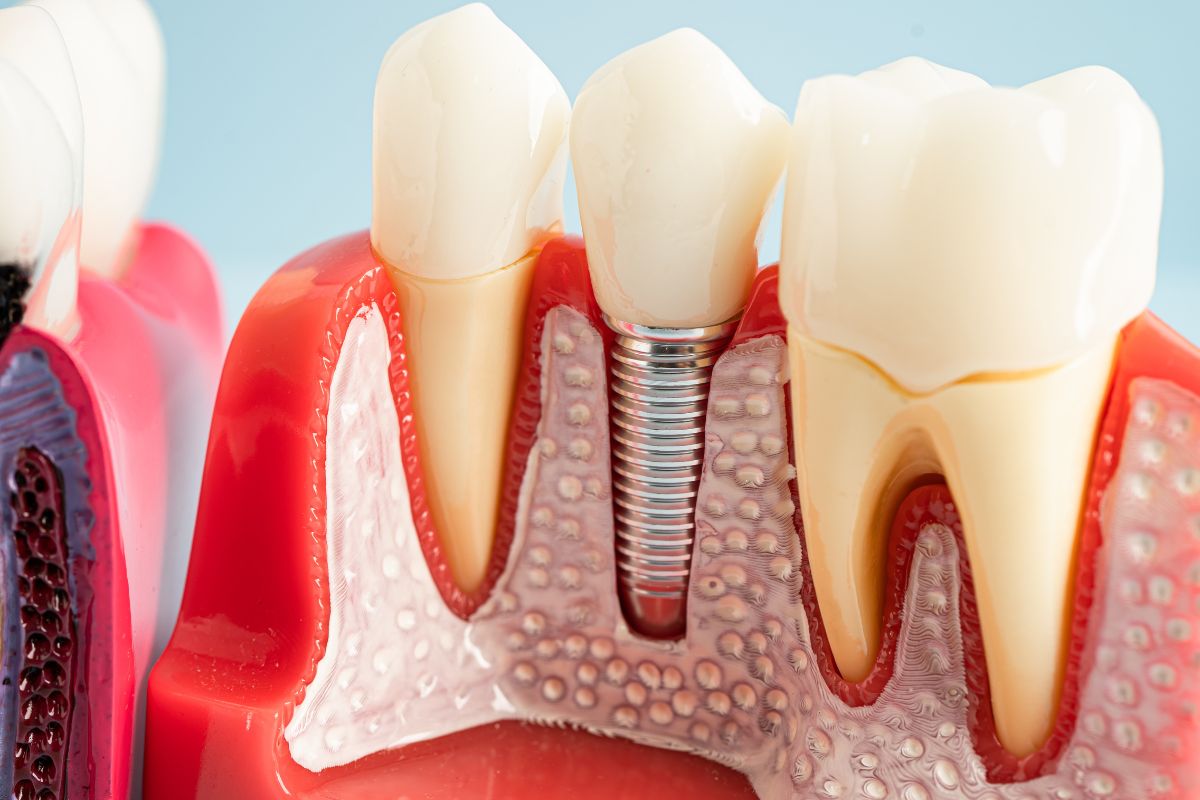
Losing a tooth can feel like something you can put off dealing with, especially if it’s not in a visible spot. At Aesthetic Family Dentistry, we often see patients who don’t realize how much a missing tooth can impact their daily life. Over time, even a single missing tooth can affect how you chew, speak, and feel about your smile.
If you’ve been considering missing tooth replacement, it’s important to understand that timing plays a bigger role than most people think. Acting sooner rather than later can make the process smoother and help you avoid additional dental concerns.
Why Replacing a Missing Tooth Matters?
When a tooth is lost, the gap doesn’t just stay empty. Nearby teeth may begin to shift into that space, which can lead to bite problems and uneven wear. At the same time, the jawbone in that area starts to lose density because it no longer has stimulation from the tooth root.
Over time, this can even affect the shape of your face, making it look slightly sunken or aged. Replacing a missing tooth helps maintain both function and appearance.
When Is the Right Time to Get Dental Implants?
The timing of dental implants can vary depending on your situation, but here are the most common approaches:
Immediate Placement
In some cases, an implant can be placed right after a tooth is removed. This can reduce overall treatment time and help preserve bone.
Early Placement
This typically happens within a few weeks or months after extraction. It allows the gums to heal while still preventing significant bone loss.
Delayed Placement
If there are concerns like infection or bone loss, your dentist may recommend waiting. In these cases, additional procedures such as bone grafting may be needed before placing the implant.
What Factors Affect the Timing?
Not everyone’s timeline will be the same. A few important factors include:
- The condition of your jawbone
- Whether there is any infection present
- The health of your gums
- Your overall health and healing ability
A dental evaluation helps determine the safest and most effective timing for your treatment.
What Happens If You Wait Too Long?
Delaying treatment can make things more complicated. As the jawbone shrinks, it may no longer be able to support an implant without additional procedures.
This can mean longer treatment times and more steps before the implant can even be placed. Acting early often keeps things simpler and more predictable.
How to Know If You’re Ready for Dental Implants?
You may be a good candidate for dental implants if:
- You have one or more missing teeth
- Your gums are generally healthy
- You have enough bone to support an implant (or are open to additional procedures if needed)
The best way to know for sure is through a professional evaluation tailored to your needs.
Need Guidance? We’re Here to Help
If you’re unsure about your next step, it’s always a good idea to talk to a dental professional. Every case is different, and getting the right advice early can save time and help you make confident decisions.
Contact us to learn more about your options and what timeline may work best for you.
Restore Your Smile with Confidence in Bel Air, MD
Replacing a missing tooth at the right time can make a lasting difference in your oral health and overall comfort. Whether you’re considering immediate care or exploring your options, understanding your timeline is key to a successful outcome.
At our dental practice, we help patients explore personalized solutions, including long-lasting options like dental implants, so you can feel confident about your smile again. If you’re in the Bel Air, MD area and ready to take the next step, request an appointment today and let our team guide you toward a healthier, more complete smile.


