
Why Is My Tongue White? Common Causes Explained
Why Is My Tongue White? Common Causes Explained
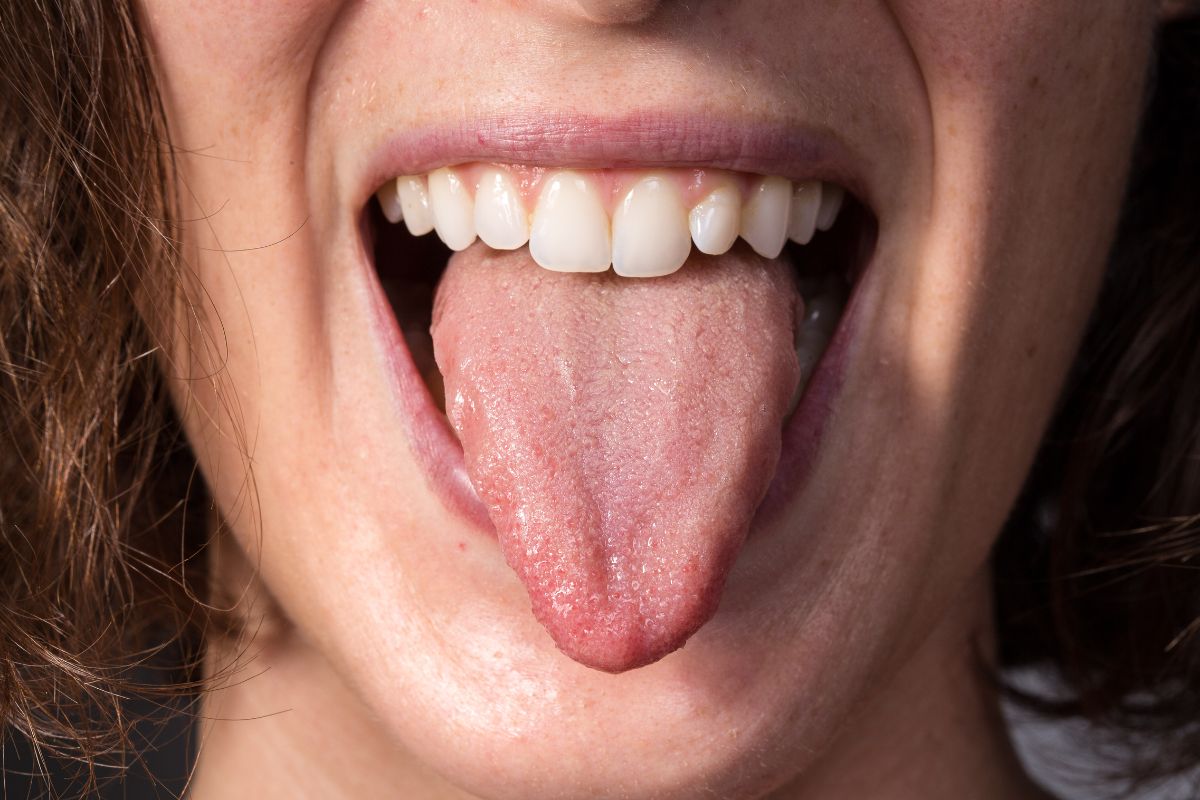
Noticing a white coating on your tongue can feel a little unsettling. You might wonder if it’s something serious or just a temporary change. The good news is that a white tongue is a common condition and, in many cases, it’s harmless.
However, it can sometimes point to underlying issues that need attention. A professional dentist can help identify the exact cause and guide you toward the right solution. Understanding what’s behind it is the first step to keeping your mouth healthy.
What Does a White Tongue Actually Look Like?
A white tongue usually appears as a coating or patches across the surface. It may cover the entire tongue or just certain areas. In some cases, the texture might feel slightly rough or dry, and you may notice a mild change in taste.
This coating is often made up of bacteria, dead cells, and debris that get trapped between the tiny bumps on your tongue. While it may look unusual, it’s often easy to manage once you know the cause.
Common Causes of a White Tongue
There are several everyday reasons why your tongue might turn white. Understanding these can help you take the right steps toward improvement.
Poor Oral Hygiene
When brushing and flossing are not done regularly, bacteria and food particles can build up on the tongue. Over time, this leads to a visible white coating.
Dry Mouth
Saliva helps wash away bacteria in your mouth. When your mouth is dry, this natural cleaning process slows down, allowing buildup to form on your tongue.
Dehydration
Not drinking enough water can make your mouth feel dry and contribute to a coated tongue.
Oral Thrush
This is a yeast-related condition that can cause thick, white patches on the tongue. It may also cause mild discomfort or sensitivity.
Smoking or Tobacco Use
Tobacco products can irritate the surface of your tongue and encourage buildup, leading to discoloration.
Certain Medications
Some medications may reduce saliva production or affect the balance of bacteria in your mouth, which can result in a white coating.
When a White Tongue May Need Attention?
While a white tongue is often harmless, there are times when it may need a closer look. If you notice that the coating doesn’t go away after improving your oral hygiene, it may be worth paying attention.
You should also be cautious if you experience:
- Pain or a burning sensation
- Thick patches that don’t fade
- Changes in taste that persist
- A coating that lasts more than a couple of weeks
These signs may indicate that something more than simple buildup is involved.
Simple Ways to Improve a White Tongue at Home
The good news is that many cases of a white tongue can be improved with simple daily habits.
- Brush your tongue gently every day, along with your teeth
- Stay hydrated by drinking enough water
- Rinse your mouth after meals to remove debris
- Consider using a tongue scraper for better cleaning
- Maintain a consistent brushing and flossing routine
Small changes in your daily routine can make a noticeable difference over time.
When to See a Dentist?
If your symptoms don’t improve or you’re unsure about the cause, it’s best to seek professional advice. A dental checkup can help identify whether the issue is related to hygiene, dryness, or another condition.
If you have concerns about your symptoms or want a proper evaluation, don’t wait—contact us to get the guidance you need for better oral health.
Keeping Your Smile Healthy and Balanced
A white tongue is often a temporary issue, but it’s still an important reminder to stay consistent with your oral care routine. Paying attention to changes in your mouth can help you catch concerns early and maintain a healthier smile over time.
At Aesthetic Family Dentistry, we focus on helping patients maintain long-term oral wellness through personalized care and simple, effective guidance. If you’re looking for a trusted dentist in Bel Air who can evaluate changes in your tongue and support your overall dental health, our team is here to help patients throughout Bel Air and nearby areas to feel confident about their smiles.


