
Can One Dental Implant Support Two Teeth?
Can One Dental Implant Support Two Teeth?
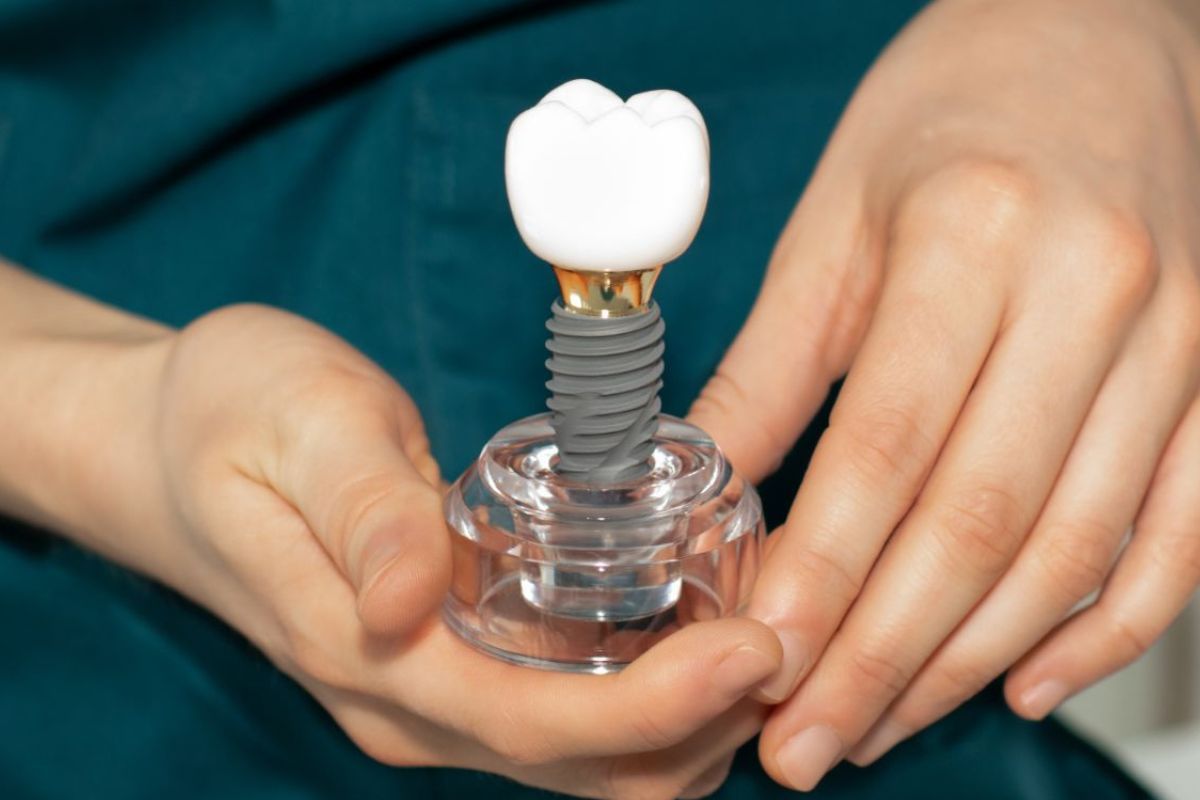
If you’re missing more than one tooth in the same area, it’s natural to wonder whether one dental implant can support two teeth. Many people ask this question because they want a stable, long-lasting solution, but also want to understand their options clearly before starting treatment. In this blog, we’ll walk through how dental implants work, when one implant may support two teeth, and when you may need more than one implant to restore your smile comfortably and safely.
What a Dental Implant Actually Does?
A dental implant is designed to act like the root of a single tooth. It provides a strong foundation for a crown, making it feel and function like a natural tooth. Because implants are placed directly into the jawbone, they rely on bone support to stay stable.
However, since an implant is generally intended to support one crown, many people are unsure whether it’s strong enough to support more than one replacement tooth.
When One Dental Implant Can Support Two Teeth?
There are situations where one dental implant can support two teeth—but only under specific conditions.
1. Cantilever Crowns
A cantilever crown extends from a single implant to replace a missing tooth next to it. This approach is less common and only works when the bite force in that area is low and bone support is strong.
2. Implant-Supported Bridges
This is the most reliable scenario. If you’re missing two or three teeth in a row, a dentist may place one or two implants and attach a bridge to them. A bridge supported by implants is stronger than one supported by natural teeth because implants do not shift or weaken over time.
In this case, the dental implant isn’t supporting two teeth alone—it is part of a system that works together to restore your bite.
When Two Separate Implants Are the Better Choice?
Using a single implant to support multiple teeth is not suitable for everyone. Often, two implants provide a safer, longer-lasting solution. Your dentist may recommend separate implants if:
- You have strong bite pressure in the area
- The missing teeth are spaced too far apart
- Bone density is uneven or limited
- Stability is a priority for chewing tough foods.
Two implants distribute pressure more evenly, which can help prevent complications over time.
Key Factors Your Dentist Checks Before Deciding
Before recommending whether one or two implants are right for you, your dentist will consider:
- Bone strength and thickness in the jaw
- Location of the missing teeth, especially if they’re in a high-pressure area
- Gum health and overall oral condition
- Bite alignment, which affects how much force is placed on each tooth
These details help create a treatment plan that protects both your oral health and long-term comfort.
Pros and Cons of Using One Implant for Two Teeth
Benefits
- Can be more cost-effective
- Requires fewer surgical procedures
- May work well in low-pressure bite zones
Limitations
- Not suitable for all areas of the mouth
- Higher risk of putting too much pressure on a single implant
- May compromise long-term stability if the conditions aren’t ideal
How to Decide What’s Best for Your Smile?
Every smile is different, which means every treatment plan should be personalized. A careful evaluation helps determine whether one dental implant can safely support multiple teeth or if placing two implants is the better long-term choice.
If you’re in Bel Air, MD, understanding your options thoroughly can help you feel confident in your choice.
Restore Your Smile With Confidence – Visit Aesthetic Family Dentistry
If you’re exploring whether one implant or two implants are right for your situation, our team at Aesthetic Family Dentistry is here to help you make an informed decision. Contact us today to schedule an appointment and learn which option will best support your smile.


