
Is Your Dental Implant Infected? Key Symptoms to Watch For
Is Your Dental Implant Infected? Key Symptoms to Watch For
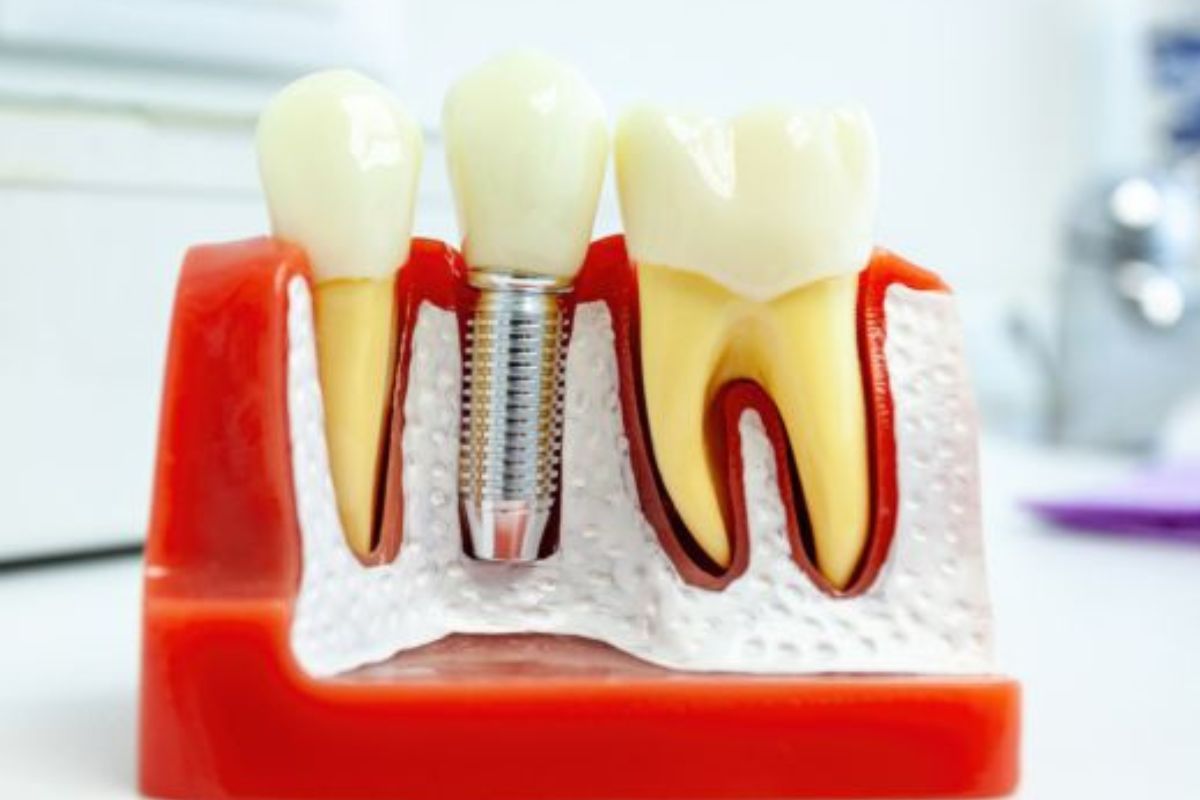
Dental implants are one of the most effective and reliable ways to restore missing teeth. They look, feel, and function just like natural teeth — giving patients confidence in their smiles every day. However, just like natural teeth, implants can sometimes develop infections if proper care isn’t maintained. Recognizing the early warning signs of infection can make all the difference in keeping your dental implant healthy and secure.
Let’s take a closer look at what causes an implant infection and the key symptoms you should never ignore.
What Causes an Infected Dental Implant?
When bacteria build up around a dental implant, it can lead to a condition called peri-implantitis — an infection of the gum and bone tissue that supports the implant.
Some of the most common causes include:
- Poor oral hygiene or missed dental cleanings
- Smoking or using tobacco products
- Uncontrolled health conditions like diabetes
- Improper implant placement or poor aftercare
- Grinding or clenching teeth (bruxism)
Understanding these causes can help you take preventive steps and maintain a strong, healthy implant for years to come.
Early Warning Signs You Shouldn’t Ignore
Infections don’t usually appear overnight. They start small and gradually worsen — which means catching them early gives you the best chance of saving your implant. Watch for these symptoms:
- Redness or swelling in the gums surrounding your implant
- Tenderness or bleeding when brushing or flossing
- Bad taste or bad breath that doesn’t go away
- Discomfort or throbbing pain near the implant site
- Slight mobility of the implant or changes in the way it feels when you bite
If you notice any of these warning signs, schedule a dental visit as soon as possible. Early evaluation is key to preventing more serious issues.
How Dentists Diagnose an Implant Infection?
Your dentist will begin with a visual examination to check for redness, swelling, or gum pocketing around the implant. X-rays may be taken to detect bone loss or deeper signs of infection that aren’t visible to the eye.
This process is quick and painless — and it helps your dental team determine the most effective treatment plan before the infection spreads.
Treatment Options for Infected Dental Implants
Treatment depends on how advanced the infection is. For mild cases, a deep cleaning around the implant and antibiotic therapy can remove bacteria and stop inflammation.
If the infection has progressed, your dentist may recommend gum therapy or a minor surgical procedure to clean the affected area and restore gum health.
In severe situations, bone grafting or implant replacement may be necessary — but this is rare when the infection is caught early.
How to Prevent Implant Infection?
Prevention is always the best treatment. Here are a few simple habits that can protect your implant and overall oral health:
- Brush and floss around your implant daily
- Use an antibacterial mouth rinse recommended by your dentist.
- Visit your dental office every six months for professional cleanings
- Avoid smoking and manage underlying health conditions.
- Follow your dentist’s care instructions after implant surgery
By maintaining a consistent oral hygiene routine, your dental implants can last for many years without complications.
Keep Your Dental Implants Strong – Visit Aesthetic Family Dentistry
If you suspect your dental implant might be infected, don’t wait for the pain to get worse. The sooner you address the issue, the better the outcome for your smile and oral health.
At Aesthetic Family Dentistry of Bel Air, our experienced team can evaluate your implant, treat any infection, and help you prevent future problems — all in a caring and comfortable setting. Contact us today to protect your dental implants and keep your smile healthy.


