
Can Bad Oral Hygiene Really Lead to Oral Cancer?
Can Bad Oral Hygiene Really Lead to Oral Cancer?
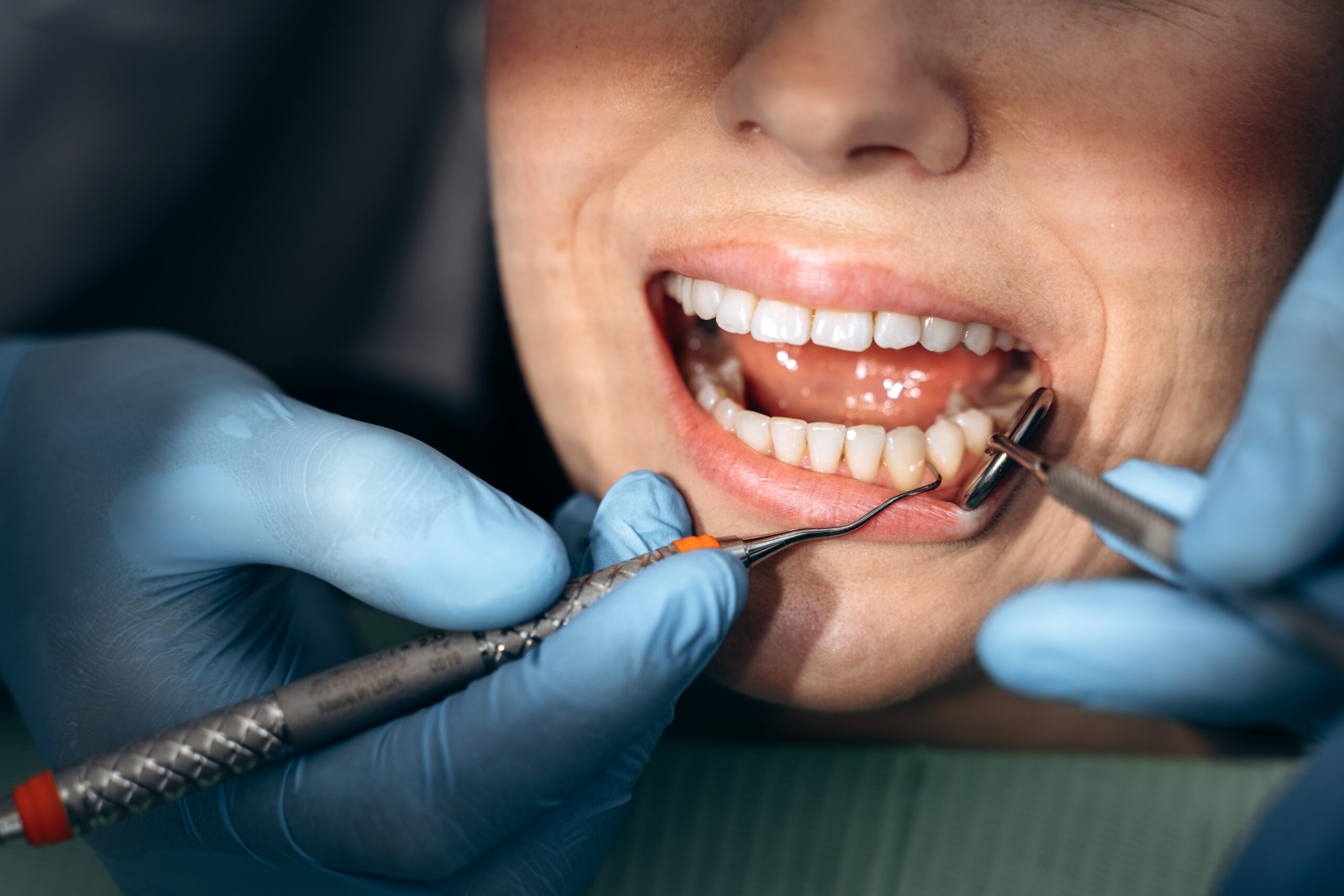
Maintaining a clean and healthy mouth does more than keep your smile looking good—it plays a crucial role in your overall health. Many people understand that bad oral hygiene can lead to cavities, gum disease, and bad breath. However, few realize that consistently neglecting oral care may increase their risk for much more serious conditions, including oral cancer.
Oral cancer is a life-threatening disease that affects the lips, tongue, cheeks, floor of the mouth, and throat. Like many forms of cancer, early detection dramatically improves treatment outcomes. What’s less commonly understood is how the condition of your mouth—particularly the presence of chronic infections, poor oral hygiene, and harmful habits—can contribute to the development of this disease.
The Link Between Poor Oral Hygiene and Oral Cancer
While oral cancer can be caused by a variety of risk factors such as tobacco use, heavy alcohol consumption, HPV (human papillomavirus), and genetic predisposition, poor oral hygiene is emerging as a potential contributing factor. Here’s how:
1. Chronic Inflammation and Infection
Poor dental hygiene often leads to persistent gum disease (periodontitis), which causes chronic inflammation. Inflammation triggers cellular changes that can, over time, become precancerous or cancerous. The longer this inflammation persists, the greater the risk of such dangerous mutations.
2. Bacterial Overload
The mouth is home to millions of bacteria, many of which are harmless. However, when oral hygiene is ignored, harmful bacteria multiply rapidly. These bacteria can release toxins and cause tissue damage, increasing the chance of mutations that may lead to cancer.
3. Delayed Diagnosis
If a person neglects regular dental checkups due to poor hygiene habits or discomfort, warning signs of oral cancer—like sores, discolorations, or lumps—may go unnoticed until the disease has progressed. Regular exams often allow dentists to detect these changes early, when treatment is most effective.
4. Compounded Risks with Other Factors
Smoking or drinking alcohol combined with poor oral hygiene significantly increases your risk of developing oral cancer. Damaged tissues from plaque buildup and inflammation make it easier for carcinogens to penetrate and alter healthy cells.
In understanding this link, it’s essential to recognize that proactive dental care and regular professional checkups make a real difference. Regular visits to a dentist in Bel Air, along with brushing, flossing, and avoiding tobacco products, can dramatically reduce your risk of serious health issues like oral cancer.
Signs You Shouldn’t Ignore
Oral cancer may develop silently, but there are several symptoms to watch for, including:
- Persistent mouth sores that don’t heal
- Unexplained bleeding in the mouth
- Lumps or thickened areas inside the cheeks or on the tongue
- Numbness in the mouth or lips
- Difficulty chewing or swallowing
- A feeling that something is caught in the throat
If you notice any of these symptoms lasting more than two weeks, it’s crucial to seek evaluation from a dental or medical professional right away.
Prevention Starts with You
The good news? Oral cancer is often preventable. Practicing good oral hygiene, avoiding tobacco and excessive alcohol consumption, eating a balanced diet, and scheduling regular dental cleanings and screenings are all powerful tools in protecting your overall health.
Conclusion
Poor oral hygiene isn’t just about cavities—it can have serious, even life-threatening consequences like oral cancer. Staying committed to daily dental care and prioritizing regular checkups can help you detect potential issues early and take the right steps toward prevention.
At Aesthetic Family Dentistry of Bel Air, we are dedicated to helping you maintain excellent oral health and overall wellness. Our comprehensive care includes oral cancer screenings, cleanings, and education to support a lifetime of healthy smiles. Contact us today to schedule your appointment and take a proactive step in protecting your health.


