
What Are the Signs You Need to Check Your Gums?
What Are the Signs You Need to Check Your Gums?
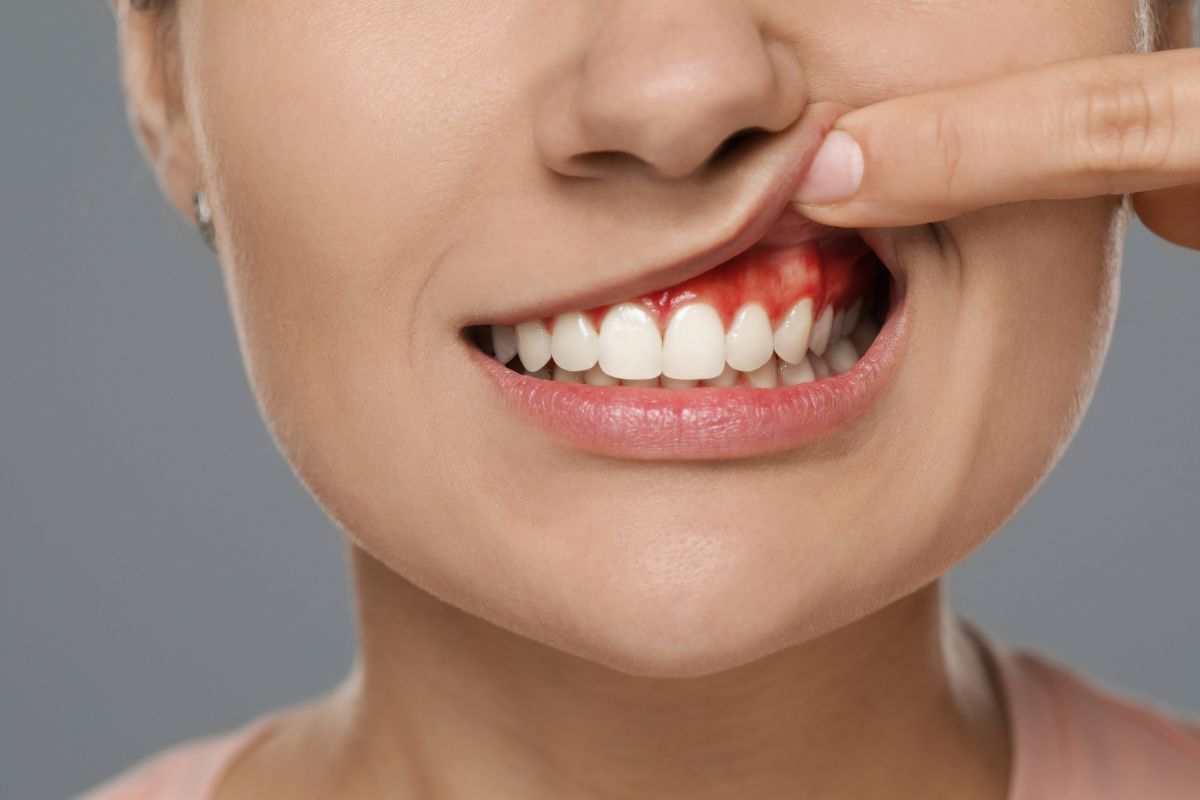
Your gums play a crucial role in your oral health. While brushing and flossing, focus a lot on teeth; your gums provide the foundation for a healthy smile. Ignoring early signs of gum problems can lead to more serious dental issues like gum recession, infections, or even tooth loss. That’s why knowing what to look for and when to schedule a checkup is essential.
Common Signs You Should Get Your Gums Checked
Your gums often show early warning signs before serious dental problems develop. Paying attention to small changes—like tenderness, bleeding, or swelling—can help you catch gum issues before they progress. Regular self-checks at home, combined with professional dental exams, ensure that any signs of gum disease are detected and treated early. Knowing what symptoms to watch for can make all the difference in maintaining a healthy smile and preventing long-term damage.
Bleeding Gums
If your gums bleed when you brush or floss, it’s often a sign of inflammation. While it can sometimes happen from brushing too hard, frequent bleeding could indicate early gum disease (gingivitis). Left untreated, this can progress to periodontitis, a more severe gum disease.
Red, Swollen, or Tender Gums
Healthy gums are firm and pale pink. If you notice redness, swelling, or tenderness, your gums may be fighting off bacteria or infection. This could also be a reaction to plaque buildup, requiring a professional cleaning and possible evaluation for gum disease.
Persistent Bad Breath or Bad Taste
Chronic bad breath (halitosis) or a bad taste in your mouth can result from bacterial growth in the gums. Even with regular brushing and mouthwash use, it’s best to have your gums evaluated if the issue persists.
Gum Recession
If your teeth appear longer than usual or you feel more of your tooth surface exposed, your gums might be receding. This can result from aggressive brushing, but more often, it’s due to gum disease. Gum recession exposes sensitive areas of the teeth and may lead to cavities or decay along the roots.
Loose or Shifting Teeth
Adult teeth shouldn’t feel loose. If they start shifting or feel mobile, it’s a major red flag. This often indicates advanced gum disease, where the bone supporting your teeth may deteriorate.
Pain When Chewing
Pain while eating, especially around the gumline, can signal infection or inflammation in the gums. This pain shouldn’t be ignored as it can worsen quickly and sometimes indicate an abscess.
In urgent cases, such as sudden swelling, bleeding, or severe discomfort, seeking help from an emergency dentist may be necessary to prevent complications.
Pus Between Gums and Teeth
If you notice pus or discharge, it’s likely a sign of an abscess or infection. This condition requires immediate professional care and should not be self-treated.
Don’t Ignore the Warning Signs
Gum health is just as important as tooth health. Many gum issues are reversible in their early stages, but only if caught in time. Regular dental checkups and good oral hygiene habits go a long way in preventing gum disease.
If you’re experiencing any of the signs above, contact Aesthetic Family Dentistry of Bel Air today to schedule an appointment. Our friendly team will assess your gum health and provide personalized treatment to restore and protect your smile for years to come.


