
What Are the Causes of Sudden Dry Mouth?
What Are the Causes of Sudden Dry Mouth?
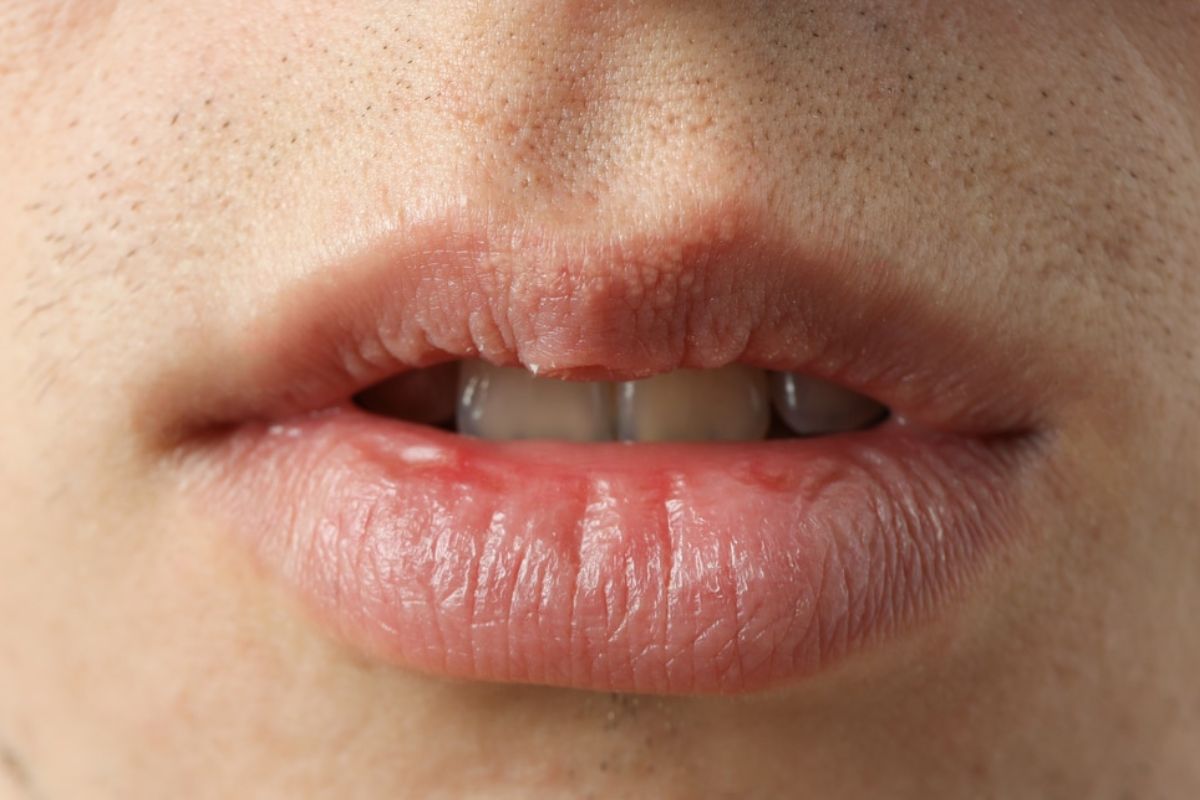
Dry mouth, or xerostomia, can occur suddenly, leaving individuals uncomfortable and searching for answers. Our mouths rely on saliva to maintain oral health, aid digestion, and protect against bacteria. When saliva production decreases, it can result in a dry mouth, which may lead to a range of issues, from difficulty speaking to an increased risk of cavities. Understanding the causes behind sudden dry mouth can help individuals take the necessary steps to manage the condition.
Common Causes of Sudden Dry Mouth
Medication Side Effects
Many medications can reduce saliva production as a side effect. Common types include antihistamines, decongestants, painkillers, and certain antidepressants. These medications are known to disrupt the salivary glands, leading to dryness. If you’ve recently started a new medication, this could cause your dry mouth. Always consult your doctor or dentist about potential side effects.
Dehydration
When your body is dehydrated, it can impact all bodily functions, including saliva production. Dehydration can result from not drinking enough fluids, excessive sweating, vomiting, or diarrhea. In extreme cases, it can lead to a dry mouth. Ensuring you stay hydrated is essential for maintaining healthy salivary function.
Health Conditions
Certain health conditions, such as diabetes, stroke, or autoimmune diseases like Sjögren’s syndrome, can contribute to dry mouth. These conditions affect the body’s ability to produce saliva, making managing the underlying health condition essential. If you experience dry mouth and other symptoms, such as excessive thirst or frequent urination, it’s a good idea to consult a healthcare professional.
Mouth Breathing
Breathing through your mouth, mainly while sleeping, can significantly reduce the moisture in your mouth. This is often a result of nasal congestion, allergies, or sinus problems that make it difficult to breathe through the nose. If you wake up with a dry mouth, mouth breathing could be the culprit.
Stress and Anxiety
Stress and anxiety have a profound impact on the body, including the salivary glands. When you’re under stress, the body enters a “fight-or-flight” mode, which can disrupt normal physiological functions, including saliva production. If stress is a frequent issue for you, learning how to manage it may alleviate the symptoms of dry mouth.
Aging
As we age, the production of saliva tends to decrease. Older adults are also more likely to have chronic health conditions or take medications that can contribute to dry mouth. If you’re noticing a persistent dry mouth as you age, it’s a good idea to talk to a dentist who can help assess the situation and provide tailored treatment options.
Tobacco Use
Smoking or chewing tobacco can dry out your mouth and reduce saliva flow. It can also irritate the salivary glands, decreasing your ability to produce moisture. Quitting smoking or using tobacco products may help alleviate dry mouth symptoms over time.
When to Contact a Dentist?
If your dry mouth persists for an extended period or worsens despite drinking more fluids or making lifestyle changes, you must contact a dentist. A dentist can help determine the underlying cause of your dry mouth and recommend effective treatments. In some cases, dry mouth may lead to oral health problems such as cavities, gum disease, or bad breath, so seeking professional help early can prevent further complications. A dentist in Bel Air, MD, can offer specific solutions, including prescription medications or customized oral care routines to keep your mouth healthy and moist.
Managing Sudden Dry Mouth
If you are experiencing sudden dry mouth, it’s essential to understand the underlying causes to manage it effectively. Staying hydrated, using saliva substitutes, and avoiding tobacco use are all helpful strategies. If dry mouth symptoms persist or worsen, speaking with a healthcare professional is essential. For individuals in the Bel Air, MD area, a dentist can provide valuable insights into how dry mouth may affect your oral health and offer solutions to improve your condition.
Conclusion
Sudden dry mouth can be uncomfortable and concerning, but understanding the potential causes can help you manage it better. If you’re experiencing persistent dry mouth, it’s best to consult with a dentist who can help pinpoint the cause and suggest appropriate treatments. Contact us today to schedule an appointment and find relief from dry mouth symptoms.


